











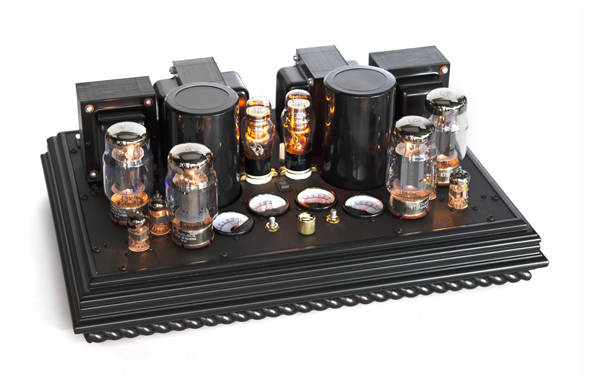
Edgar Winter’s They Only Come Out at Night was the first record in my collection, so to say I’m intimately familiar with it would be an understatement. For old times’ sake, it’s the first album I place on the turntable when critical listening begins for the Zen Mystery Amp (ZMA). Wow! Just when you think you’ve heard it all and you know a piece of music inside and out, this amp whacks you upside the head—which is enlightening and it’s what keeps this reviewing game interesting. The first cymbal crash on Radiohead’s “High and Dry” further convinces me that I’m listening to something magical. There’s more air and delicacy everywhere. The ZMA is all about nuance and finding more information lurking in the details.
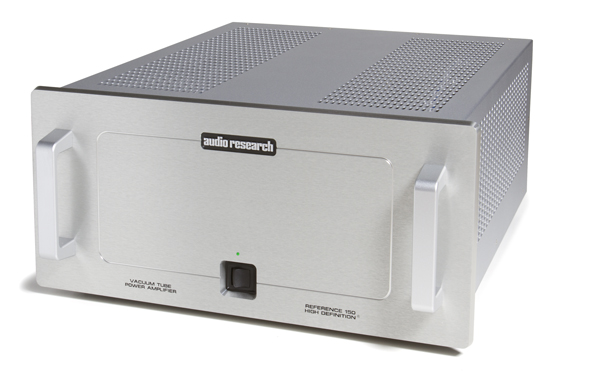
This is one of the most musical, most natural, most realistic amplifiers I’ve ever had the pleasure to live with—and it’s been with me for the better part of a year now. If you want to call BS, be my guest. (I’ve got my flame-retardant Kevlar suit on, so take your best shot.) After a crazed life of audiophilia and now 12 years of covering high-end audio as my day job, I still haven’t heard an amplifier that sounds more musical than the ZMA. My Pass Xs 300 monoblocks are on the short list, as are the Audio Research GS150 and Conrad-Johnson LP120SA+. Compared to the ZMA’s 40 watts per channel, all three of those amplifiers have more power on tap, making a wider range of speakers in larger rooms a possibility—but the sheer musical purity of the ZMA is tough to ignore, for a number of reasons.
Arf, Arf
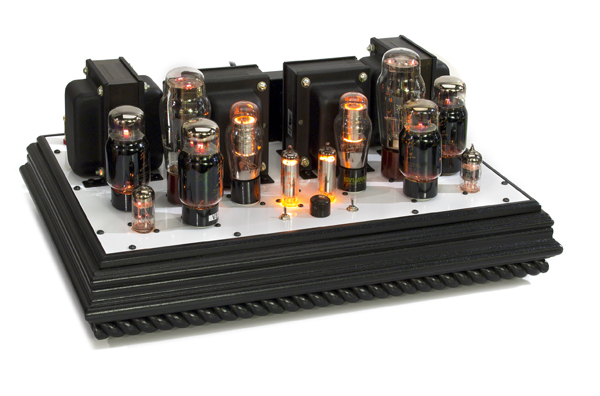
Ever meet a small dog with a big soul? A 20-pound critter with more bark than a German Shepard or Saint Bernard? That’s the ZMA. I’ve always felt that you need a big amplifier to get big sound, but the ZMA not only plays damn loud for only having 40 wpc on tap, it has a ton of headroom. When it does clip, it does so in such a gentle manner that you’ll only notice a slight collapse of the soundstage, rather than sounding like you’ve just hit a sonic brick wall.
If you can live within the ZMA’s performance envelope, there is no reason to buy anything else, even for something two or even 10 times the price. The Holy Grail is right here, built proudly in Illinois. It only takes a brief listen to the ZMA to realize that the only mystery is how Steve Deckert can build an amplifier like this for $5,695 and still stay in business. If this piece of audio fine art had a Shindo or Wavac badge on the front, it would easily have another zero on the price tag. Take it from someone who’s owned both: Save the dough and buy American. The ZMA is a better amplifier than either—and it carries a lifetime warranty and tech support (for the original owner).
If the $12,000 Zen monoblocks are out of reach, or you just don’t have room for a pair of amps (albeit compact ones), the ZMA is essentially the same amplifier on one chassis, with a smaller power supply, delivering 40 wpc compared to the 60 wpc that the monos produce. I’ve been using the Decware Torii for the last few years and my only complaint is that I find myself wanting just a little more power. Even though the Torii is the little amp that can, there are times when 26 wpc just isn’t quite enough. In every way, the ZMA brings more to the table than the already excellent Torii, but above all things, it brings finesse.
Details, Details
It’s up to you whether or not God is in the details, but regardless of what you believe (or don’t) in the spiritual department, I submit that musical happiness does indeed lurk in the details. Happiness in the form of musical engagement is, for me, an experience that keeps you riveted to your listening chair, digging one record after the next, searching for those favorite tracks that, once you’ve heard them through the ZMA, have you searching for more. After several months, this still happens every time I fire up the ZMA.
Regardless of the tracks chosen, subtlety abounds with this amp, and it continually offers little surprises on so many records that I’ve been listening to for years. And listening to new music is equally dreamy. Trent Reznor’s soundtrack for the recent movie Gone Girl is so good it’s scary, constantly reminding me of the tension in the film. Reznor is known for his ability to build a dense and ethereal soundscape—and the ZMA, combined with the GamuT RS5 speakers, envelops me in so much more than what I might call a soundstage with another amplifier. The ZMA creates a hyper-real, three-dimensional sound sphere. While a record like this does not provide the picture of musical accuracy that your favorite Blue Note might, it does have many layers of minute detail—and through a less-capable amplifier, those details just don’t come through in the same dreamy sonic picture that the ZMA paints.
Tracking through well-known albums from Brian Eno and Jean-Michel Jarre prove equally ethereal. Jarre’s Zoolook features a track, “Diva,” with what sounds like water droplets behind layers of synthesizers, with Laurie Anderson saying something in reverse over the top. Trippy as this is, each layer breathes in its own space and, through the ZMA, Anderson’s voice sounds as if she’s just been let out of an asylum; it’s scary-movie good.
Sounding this good on surreal music, the ZMA excels when the fare turns to acoustic instruments. All of the texture, attack and decay associated with piano, guitar, drums and other acoustic instruments are revealed with shocking clarity. As a photographer, I can only describe this effect by saying its similar to going from a standard-definition picture to HD, and even to the latest 4K. The ZMA presents more and smoother steps of gradation, resulting in bongo drums sounding like actual bongos. There’s cheese and then there are cheese-like substances (i.e. Velveeta). Once you hear a piano or violin reproduced through the ZMA, it will be tough to go back to what you’d been using. As Bob Stuart at Meridian likes to say, “When you’ve heard it right, you can’t unhear it.”
The upper registers of the ZMA are as close to perfect as can be. Cymbals not only have the required meat, they have proper texture and decay. The same can be said for the lower register, which are even tougher for a tube amplifier to get right. Again, the ZMA succeeds brilliantly, producing low notes with tone and texture but also with the proper amount of speed and damping, without being overly damped. A picture may be worth a thousand words, but five minutes of actually experiencing the ZMA might well be one of the biggest “a-ha” moments I’ve had in high-end audio.
Setup and Further Listening
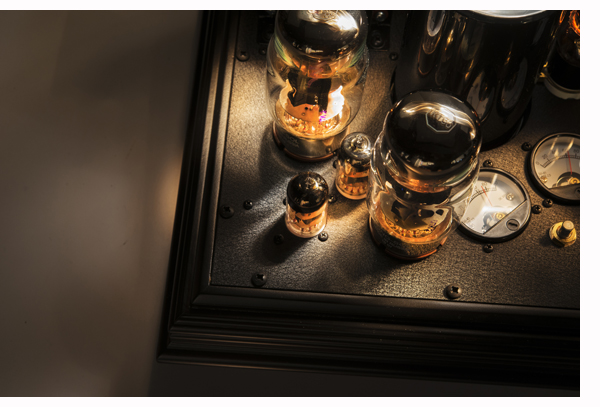
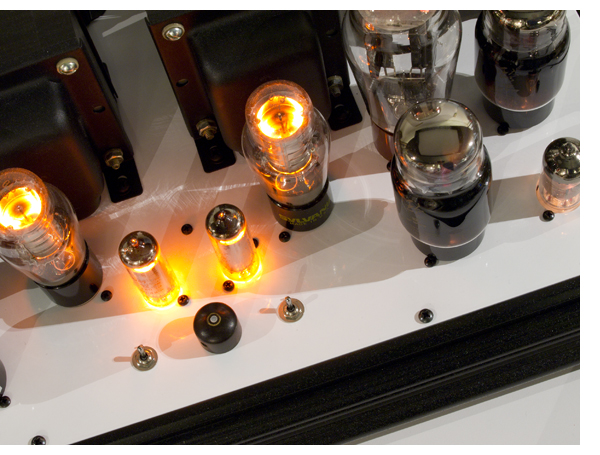
The ZMA arrives packed in a padded Pelican Case, with the tube complement in another box. Following the well-documented instruction manual will have you up and running in no time. Even after running the amp for a month, I didn’t have to rebias the tubes; and now after more than six months, they’ve required just a tiny adjustment to stay perfectly biased and matched to each other. Unlike with some tube amplifiers, the ZMA allows you to set each KT66 tube individually and does not require matched output tubes. It’s also worth mentioning that Decware encloses a power cord with the ZMA that a lot of other cable guys would nick you an extra thousand bucks for.
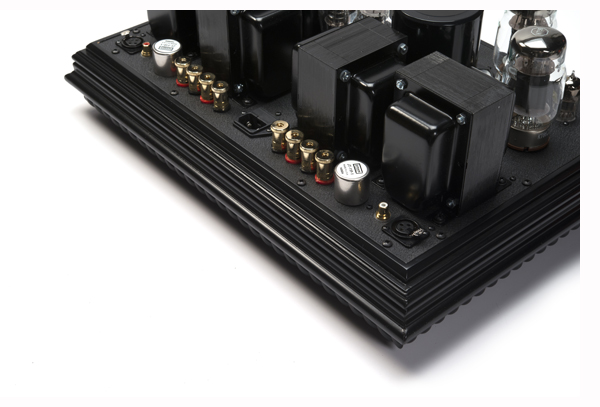
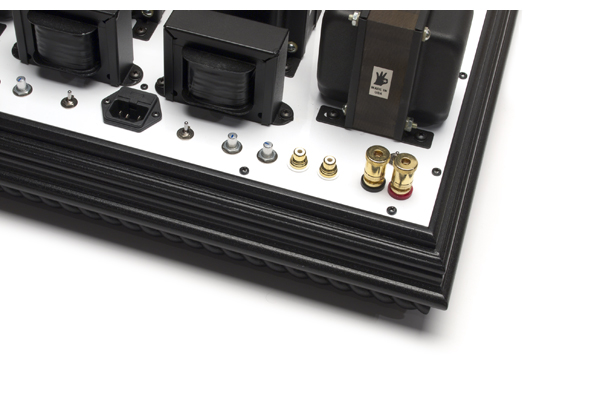
While the ZMA has two sets of binding posts, one for 4-ohm speakers and one for 8, Decware does offer an option that can power 8- or 16-ohm speakers—which leads to my only complaint with the ZMA: The high-quality binding posts are too damn close together. It’s tough to tighten them down onto fairly thick spade lugs like mine—but I will say that you can use banana plugs with ease.
Inputs are single-ended RCA jacks, with XLR inputs via Jensen 95khz transformers available as a $600 option. As Deckert points out, “while not a fully differential balanced circuit, it is still a tehnically balanced amplifier – and the transformer is your friend. It gives a beautiful shimmer to the top end and better dimensionality not unlike a great moving coil cartridge.” I must agree. Using equal lengths of Cardas clear via the XLR and RCA inputs, I do prefer the balanced inputs.
Those with only one source component who want to bypass the preamplifier can tick the stepped attenuator box for an additional $150. Should you fall in this category, this is the perfect shortcut to creating a highly resolving system on a tight budget (unless you have a world-class preamplifier—but then you’re probably not on a tight budget).
A bit of research on the Decware forum reveals that its claim of long tube life is no scam. Even after years, many Decware users are still running their original set of tubes! The 6N23P input tubes can be swapped for 6N1Ps or 6922s, but Deckert says the 6N23P is his favorite, and my experience is to follow his lead. While I leave the input and regulator tubes as installed from the factory, the tube swapping goblins do possess me to try a set of NOS Siemens EL34s in place of the KT66 tubes. The sound is just different, with the E34s being a little warmer and a little softer than the KT66s. Those liking a low-end that is a bit softer, flabbier and less controlled may prefer the EL34s, but I happily went back to the KT66s. Neurotic tube-swapping in my Torii led me back to what Deckert suggested in the first place, so from now I just listen to Obi-Wan.
However, I do believe the combination of 0A3 regulator tubes, fast recovery solid-state rectifiers and 4,500 uF of power supply capacitance is a big part of the ZMAs exquisite sound. This is way more power supply than any 40-wpc tube amplifier needs, or is supplied with any other similarly powered tube amplifier I’ve seen pass through our listening rooms. The ZMAs large, well-executed power supply translates into dynamic capability, a low noise floor and the ability to execute wide transient swings with ease.
Deckert has told me that his amplifiers just keep sounding better, as the wire in the output transformers becomes seasoned over the years. My experience with the Torii has been similar. After 100 or so hours of what audiophiles might consider “break-in,” this amplifier just keeps sounding more natural. The same is happening with the ZMA and I’m sure the person who ends up with our review sample will enjoy it even more in five years than I am today.
We mate the ZMA to some insanely expensive speakers: Focal Stella Utopias, Dynaudio Evidence Platinums, KEF Blades and now the GamuT RS5, as well as the Dali Epicon 8. All have a sensitivity rating between 87 and 89 dB and work well at modest to somewhat loud volumes. In my large listening room, I’m able to run the ZMA out of juice when going for fairly loud listening levels, but for most users in a more reasonably sized room, you will have to tax this one to get it to clip.
In my smaller room at more reasonable listening levels, the GamuTs, Egglestonworks Emmas (which were on our cover last issue) and a vintage pair of Acoustat 2+2s prove absolutely heavenly with the ZMA. We use Cardas Clear cable throughout and every speaker we test happens to work best on the output impedance setting that matches the factory rating.
The ZMA sounds great at turn-on, and while it takes longer to fully warm up than other tube amplifiers I’ve used, the transition from cold to warm is more gradual than any other tube amplifier I’ve used. Again, it’s that gradation thing.
This is the point where many reviewers make wry comments about how they will miss said review product dearly, and in regards to the ZMA, I must admit to having similar feelings. However, I’m looking at this more as an au revoir (since I’m saving for a pair of Zen Monos for my retirement.)
The ZMA is more than worthy of one of our Exceptional Value Awards. Considering the level of sound quality and build quality it offers, the ZMA is one of the most exceptional values I’ve ever encountered.
Decware Zen Mystery Amp
MSRP: $5,695
PERIPHERALS
Analog Source
AVID Acutus Reference turntable SP/SME V tonearm Lyra Atlas cartridge
Phonostage
ARC REF Phono 2
Amplification
Robert Koda K10 Audio Research GSPre Pass Labs Xs 300 monoblocks
Digital Source
dCS Vivaldi four-box stack
Speakers
Focal Stella Utopias Dynaudio Evidence Platinums KEF Blades GamuT RS5 Dali Epicon 8 Egglestonworks Emma Acoustat 2+2
Cable
Cardas Clear
Power
IsoTek Super Titan
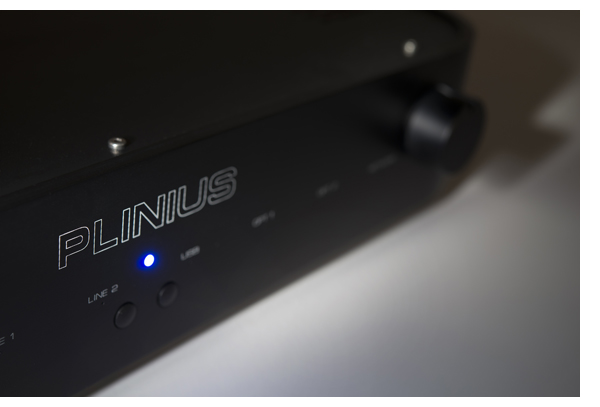
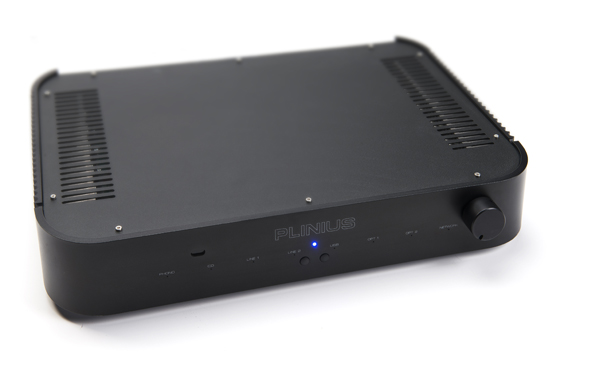 New Zealand’s Plinius Audio has a track record of delivering products that offer great sound for the dollar—and its Inspire 980 certainly offers a lot, especially for $4,450. In addition the power and preamp capabilities of a standard integrated, it also features an onboard MM phonostage and an internal DAC. With all those elements built in, this beauty can serve as a fantastic system hub—just add speakers and sources.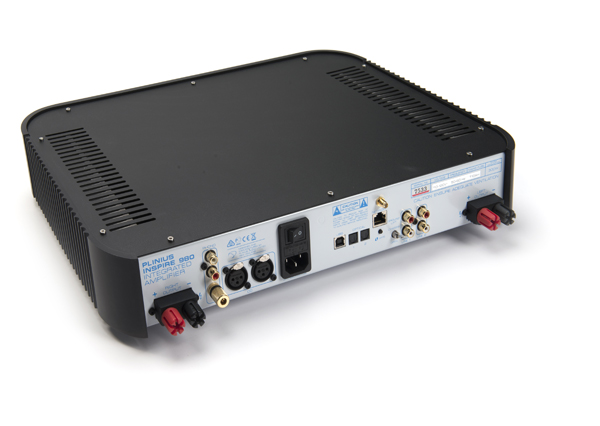
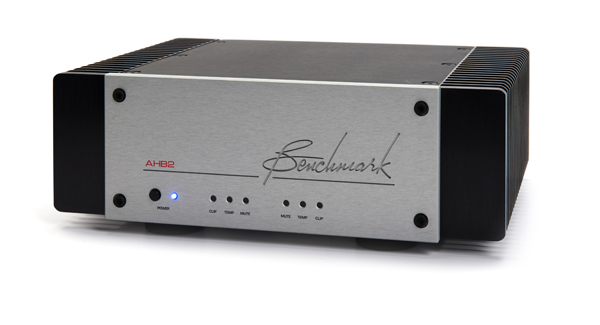 The first thing you notice about the new Benchmark AHB2 is its diminutive size. Even with feet and binding posts, it’s only about 11 inches wide, 4 inches tall and 9 inches deep. And the heat-sink fins account for about a third of that width, making it even more incredible that Benchmark was able to jam so much oomph into such a small body. Regularly lifting amps that leave my back barking for Tylenol, I chuckle with relief when carrying the 12.5-pound AHB2 to my audio rack.
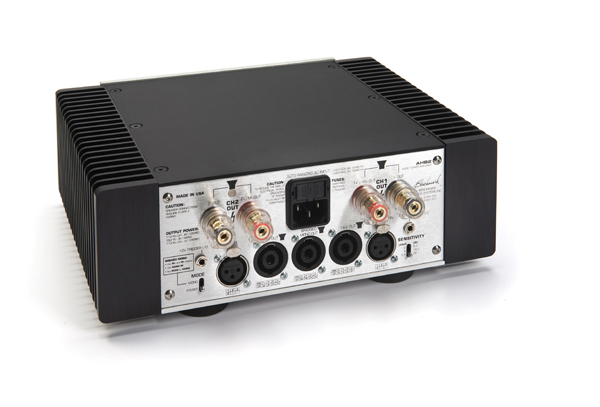 Meeting the Benchmark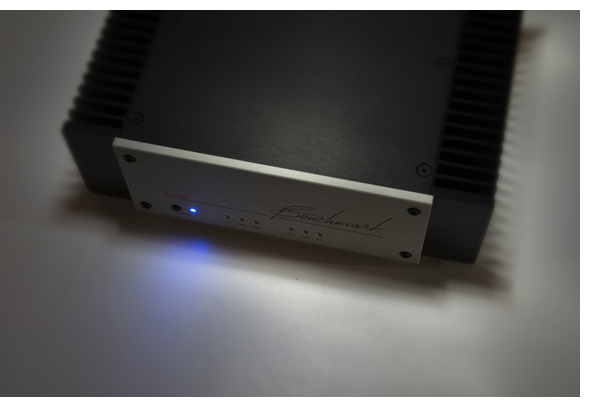
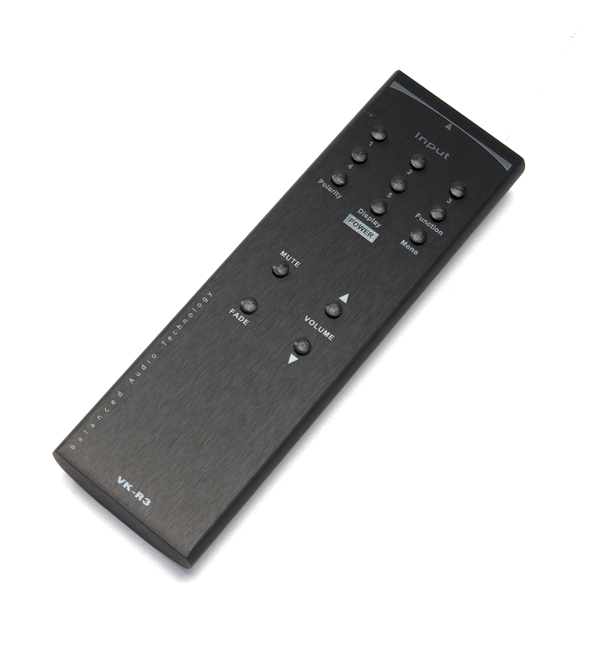
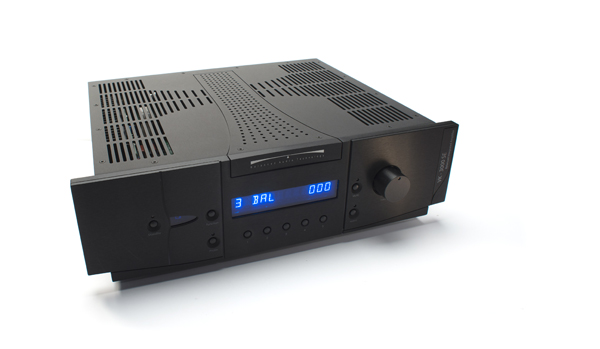 The VK-3000SE from Delaware’s Balanced Audio Technology (BAT) is a vacuum-tube linestage and a solid-state amplifier rolled into one. The latter offers 150 watts per channel into 8 ohms and twice that into 4 ohms. For the preamp section, BAT utilizes a pair of Russian 6H30 valves, which are concealed inside the unit. Some refer to these military-grade tubes as “super tubes” for their longevity and durability; they’re also alleged to have a whopping 10,000-hour lifespan. In the unlikely event of a bad tube, BAT stands behind them with a one-year warranty. (The VK-3000SE itself comes with five-year warranty.) The unit weighs in at 50 pounds and the chassis measures 19 by 5.75 by 15.5 inches. It’s priced at $7,995, which is pretty reasonable considering the amp’s broad capabilities.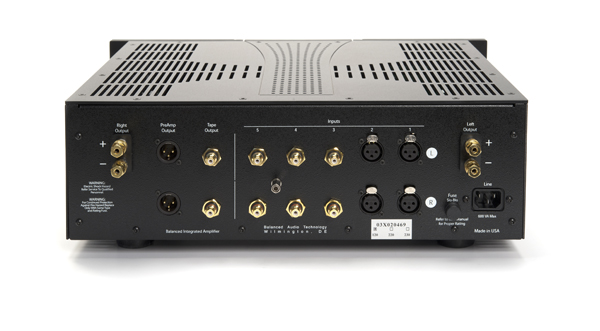
 The idea of an integrated amplifier has always appealed to me. Combining the amplifier and preamplifier sections in a properly isolated design makes economic sense—just sit back and enjoy the music without the bleed-through of a tuner.
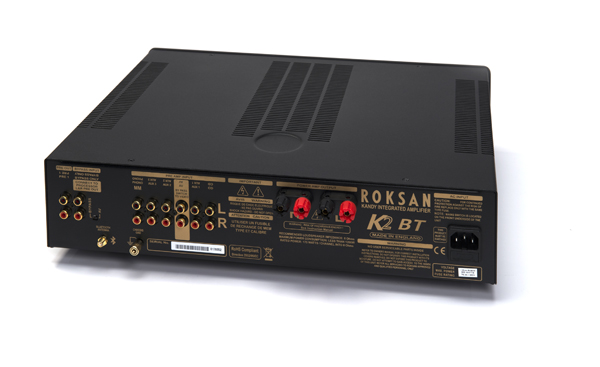
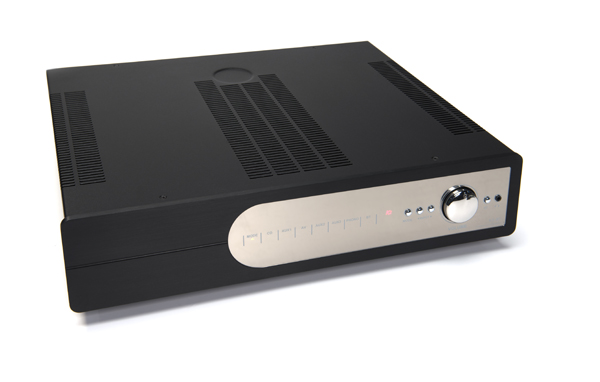 British hi-fi buffs know Roksan Audio as a company that offers extraordinary value and sonics that challenge far pricier competitors. The company, located just northwest of London, takes a complete-system approach, with analog and digital sources, amplification, speakers, cables, and power supplies among its product lineup—and it is currently making a push into the North American market.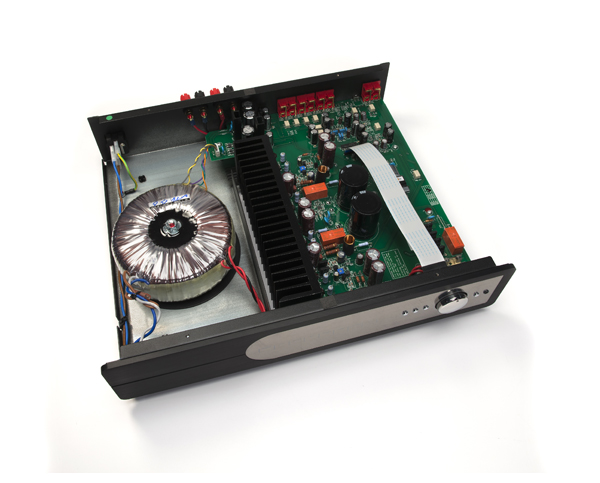
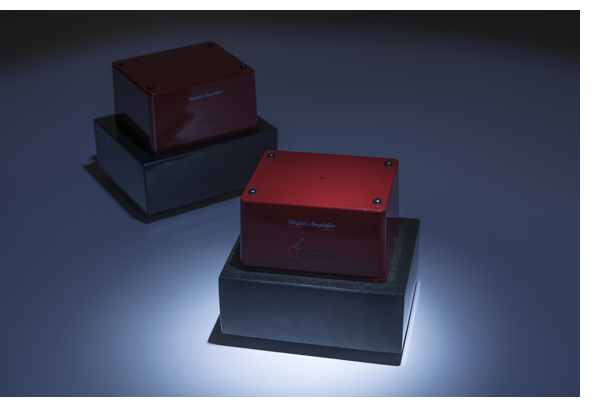
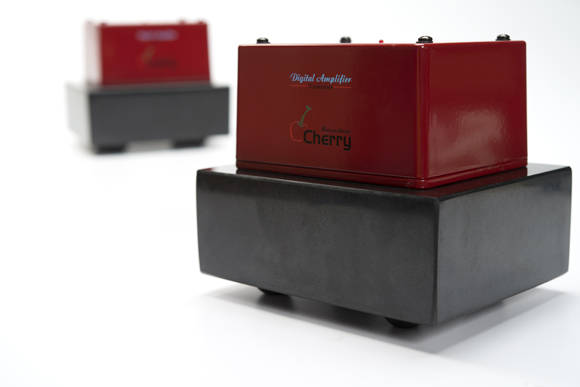 The Digital Amplifier Company—founded in 1996 and located in Allentown, Penn.—solely produces hyper-engineered, audiophile-grade Class-D amplifiers. Its products output plenty of power from manageably sized and attractive packages. The company’s Cherry line comprises stereo and monoblock variants, which are available in standard or higher-output Ultra configurations.
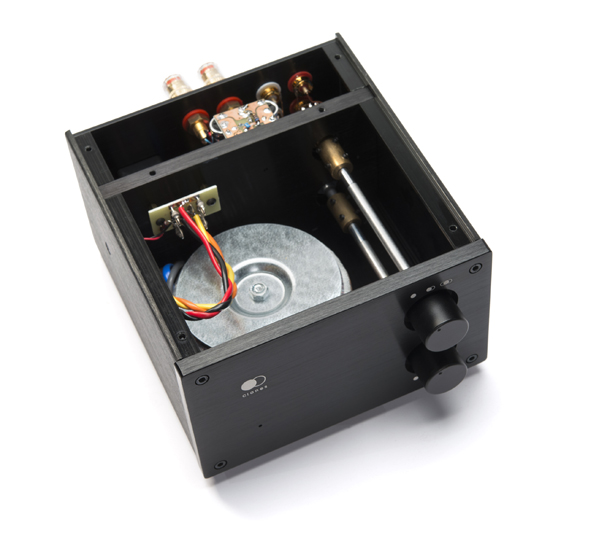
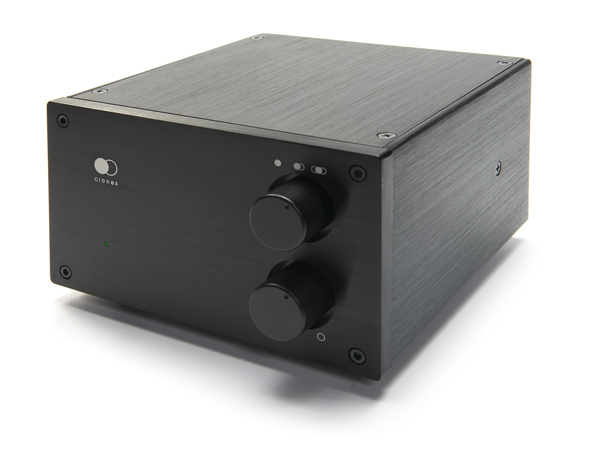 What started as a one-off unit intended as a family birthday gift has blossomed into a full-fledged audio equipment manufacturer. Hong Kong’s Clones Audio now counts monoblocks and a DAC among its product roster, but its 25i amplifier ($865/€629) is what jump-started the boutique manufacturer. The 25i, which is a 25 watts-per-channel integrated amplifier, was inspired by a 47 Labs’ circuit design that later landed in the public domain for the DIY crowd. After all, not everyone would see the $3,000-plus asking price of the 47 Labs’ Gaincard amp without wincing—and some might double over in pain upon seeing its internal part count.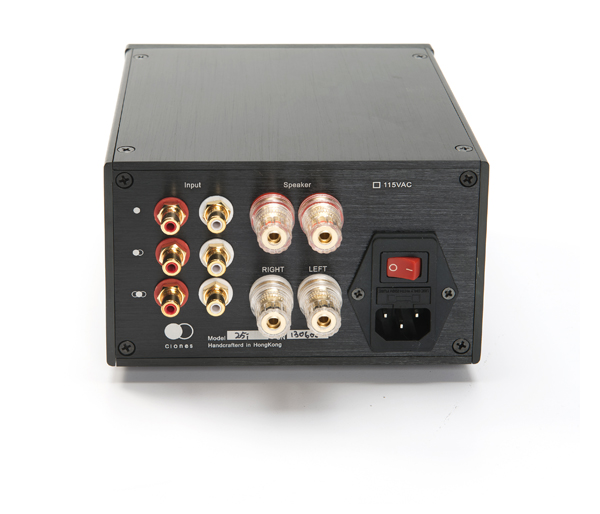
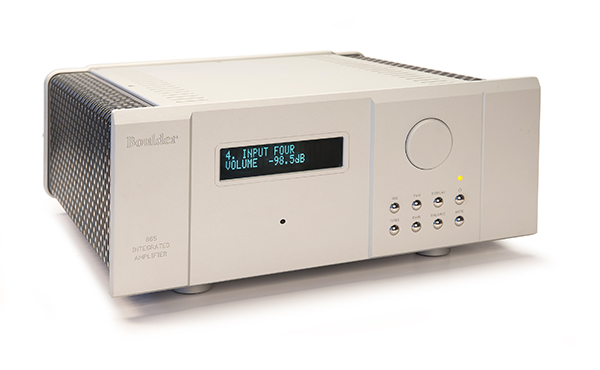
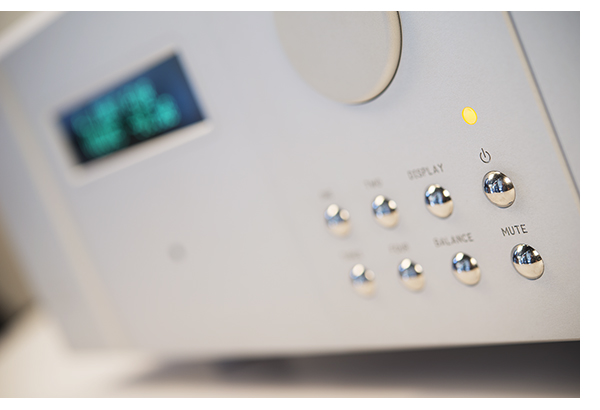 Following Steve Martin’s vocal musings on “Late For School,” it becomes immediately apparent how well this integrated amplifier, Boulder’s entry-level piece, keeps track of pace and timing.
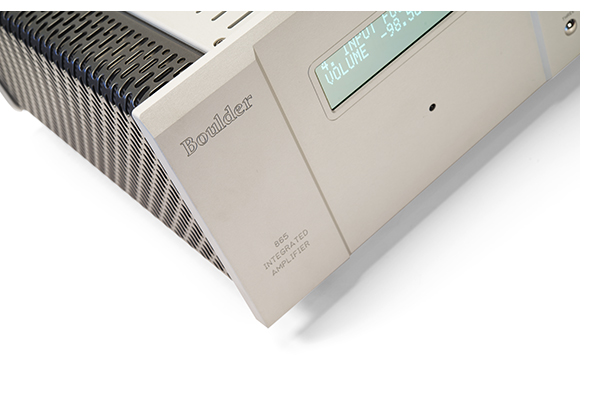 The XRCD version of Jackie McLean’s Swing, Swang, Swingin’ proves equally illuminating. Like every other Boulder product I’ve experienced, the 865 follows the family tradition by neither adding nor subtracting to the sound. While this may bring slightly less to the presentation on poor quality recordings, that can benefit from a bit of warmth, what it does for stellar recordings is well worth the tradeoff. Just like the 3050 monoblocks that we reviewed last year, the 865 is a wonderful conduit for music, never throwing the focus on itself; it’s always in the service of the music.
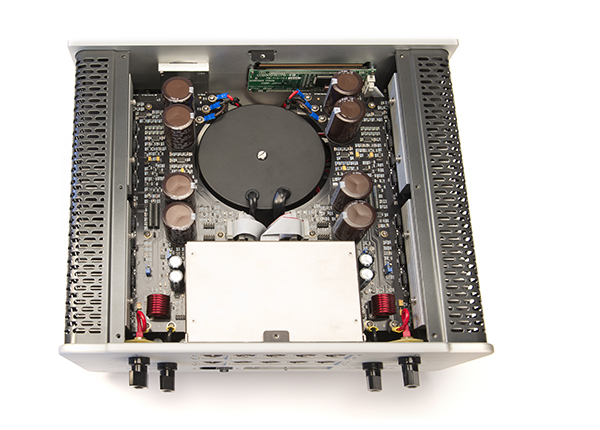 All Boulder
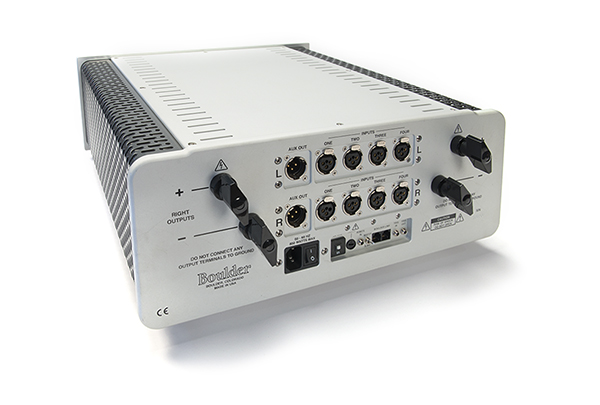 Switching between the KEF Blades, the Dynaudio Evidence Platinum speakers and the GamuT S9, the 865 did its job-playing music effortlessly. Moving it to room two with the Dynaudio Confidence C1s and the Sonus faber Guareri Evolution speakers, both extremely high performance, yet small speakers made an incredible case for stopping the audio journey right here and just enjoying the music. The 865 reveals so much that if you don’t need to blow the windows out of your listening room and you just want to revel in quality – this is your amplifier.
 Peripherals

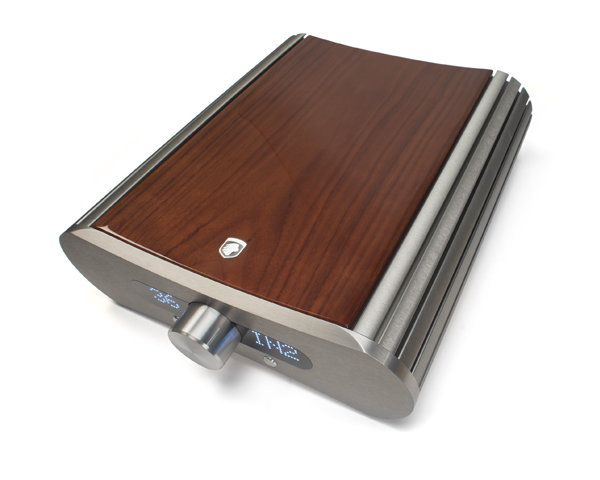
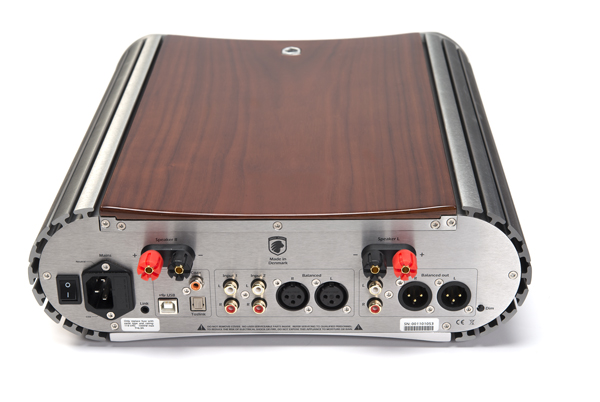
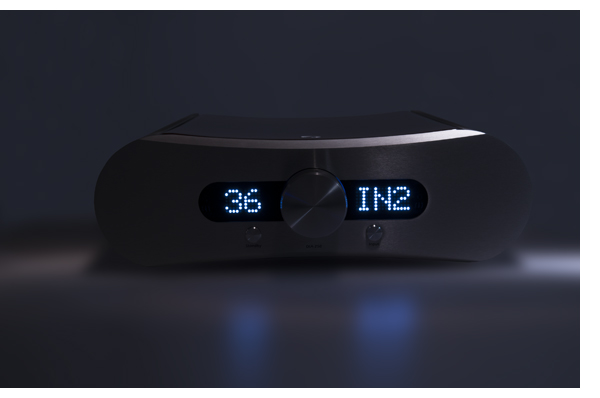
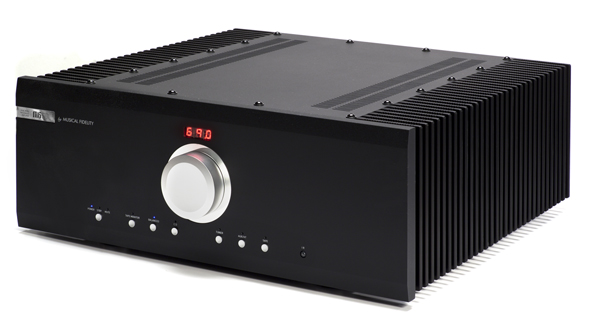
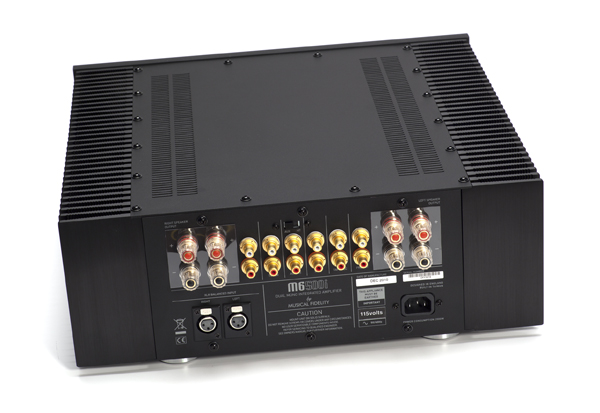
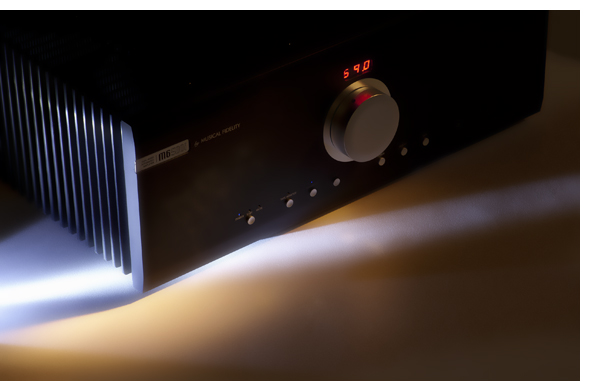
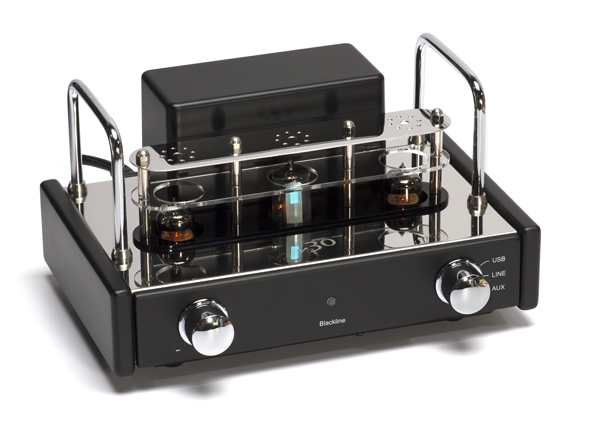
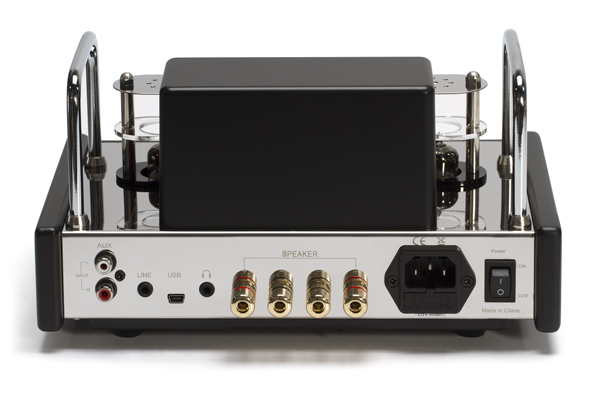

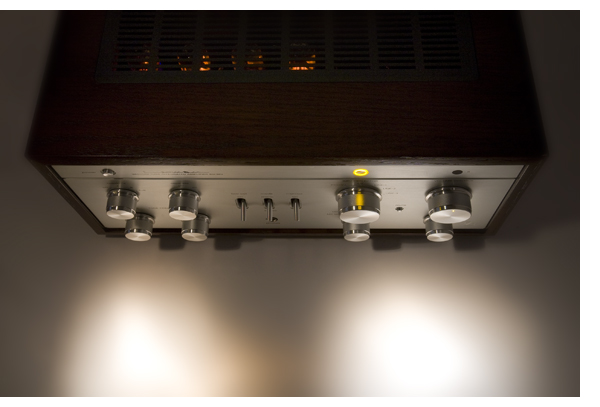
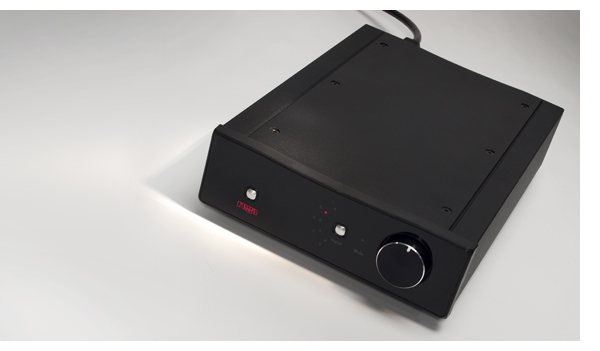
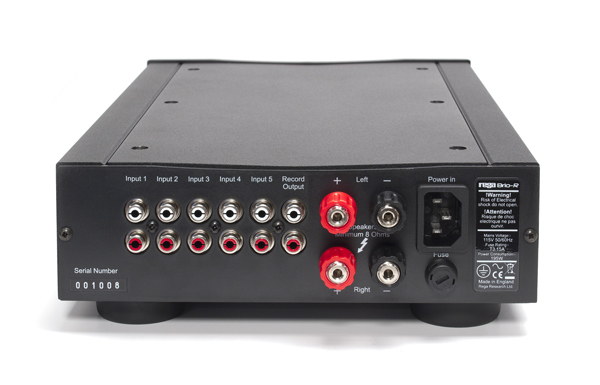
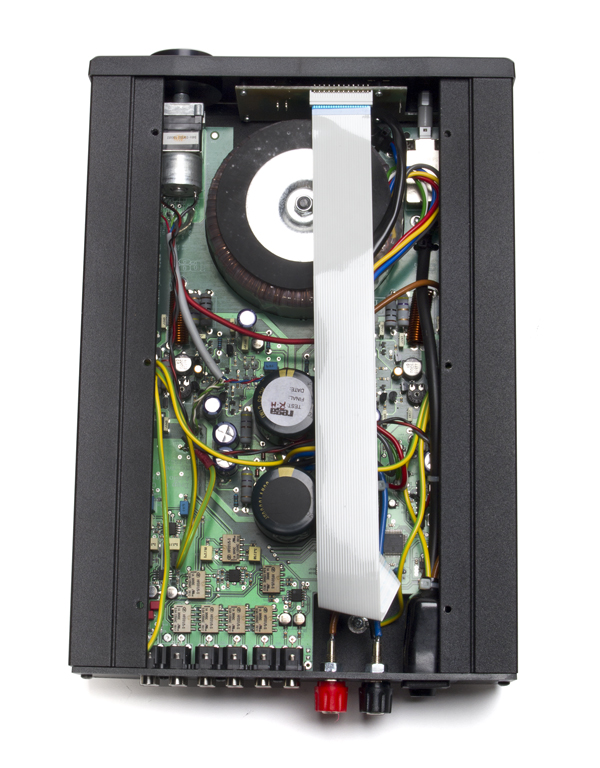
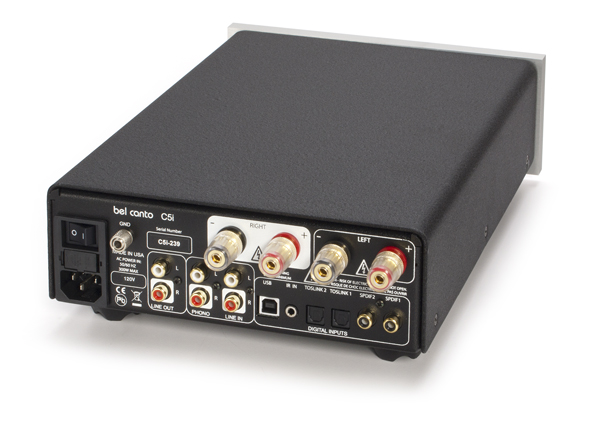
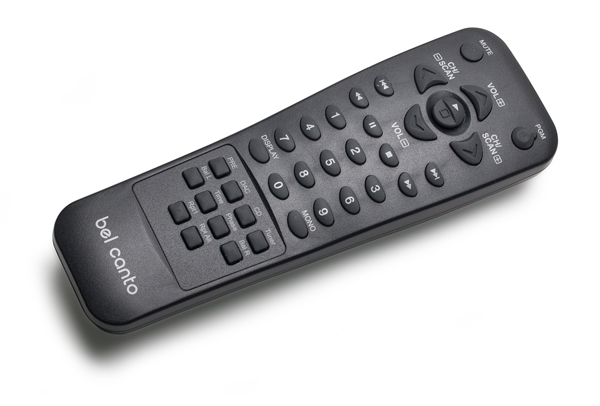

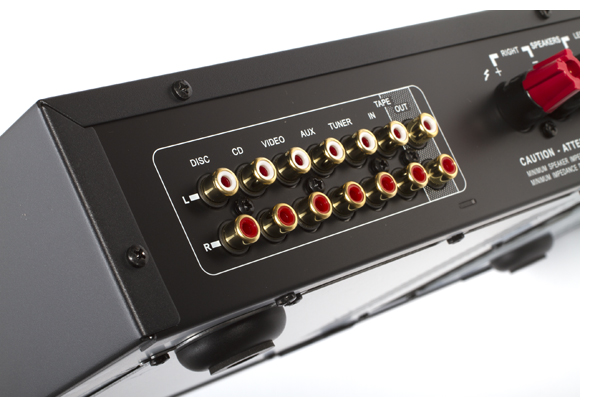
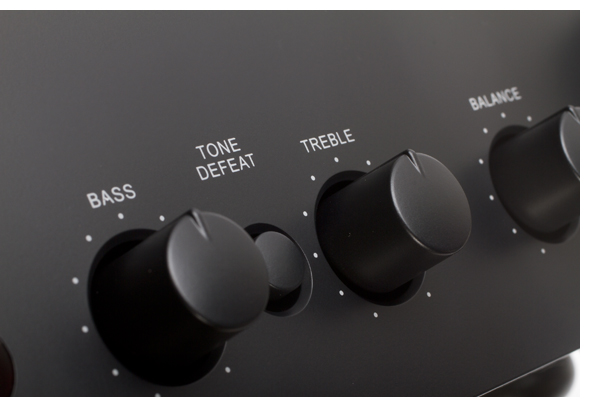
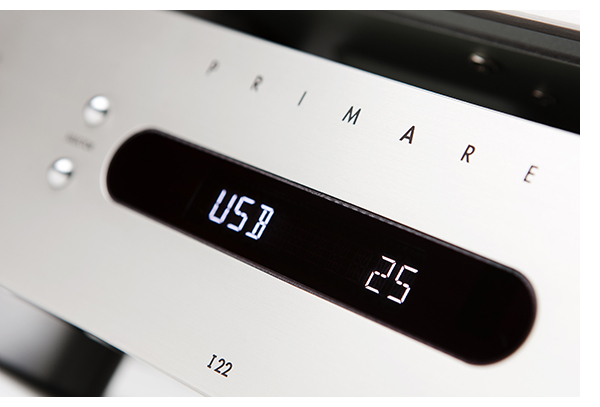 Incorporating a DAC inside an integrated amplifier has been going on for some time now, with mixed results, and the Primare I22 is a product arguably aimed more at the music lover who likes to keep things simple.
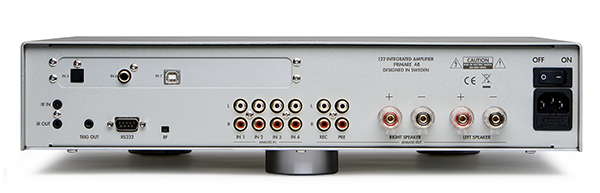
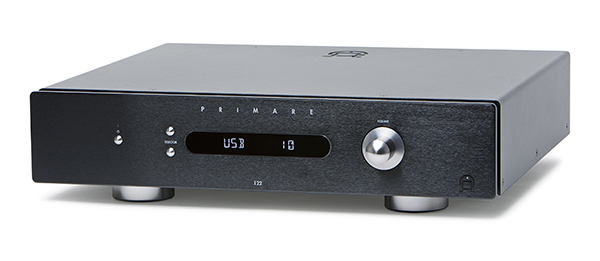 The ins and outs
 Like every other Class D amplifier we’ve tested, the I22 does respond incredibly well to an upgraded power cord and line conditioning. Adding a power cord and the EVO 3 line conditioner from ISO TEK removes a layer of glare and cloudiness that you might mistake for the sonic signature of the amplifier, giving the I22 an even smoother, more natural sound.
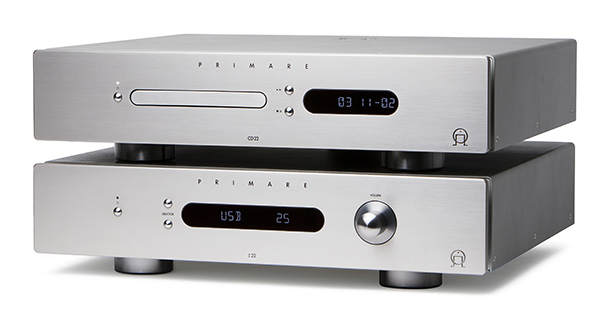 Simple, stylish, sonic excellence
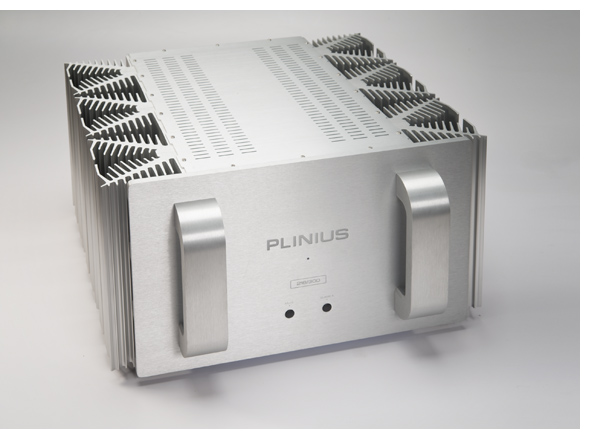
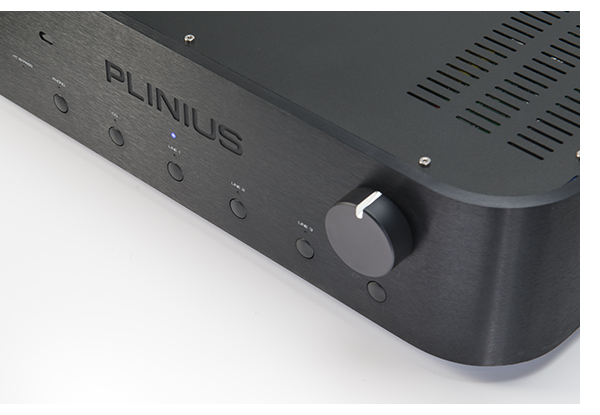 In case Plinius is a company that has slipped under your radar, they hail from New Zealand, and have been making incredible products for years now.
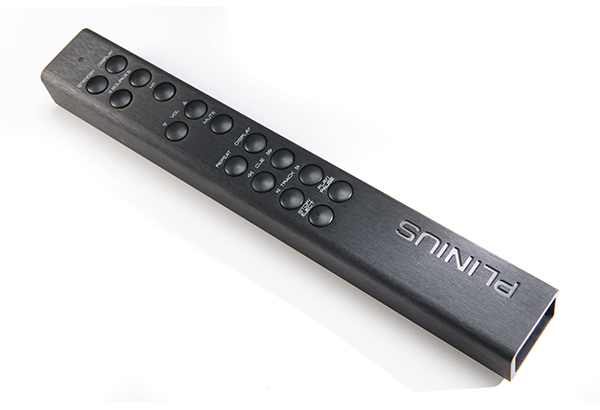 Further listening
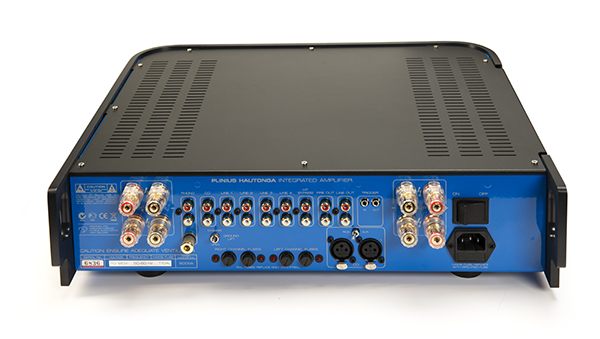 Rounding out the picture
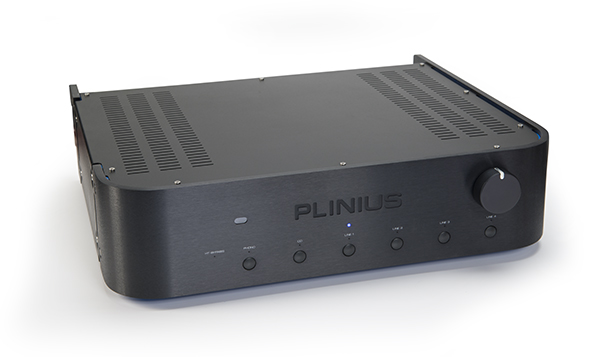 The Plinius Hautonga Integrated Amplifier
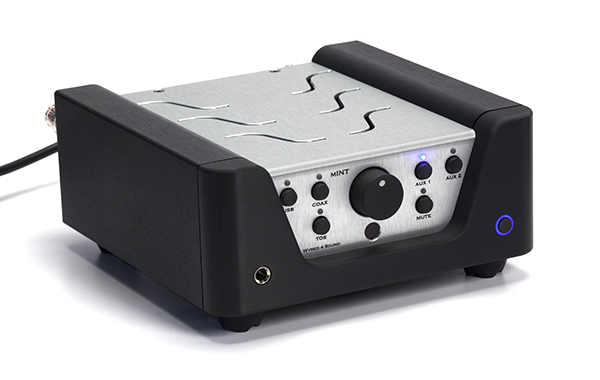 Central California’s Wyred4Sound has taken the high end by storm with their extensive line of Class D based amplifiers, DAC’s, and music servers.
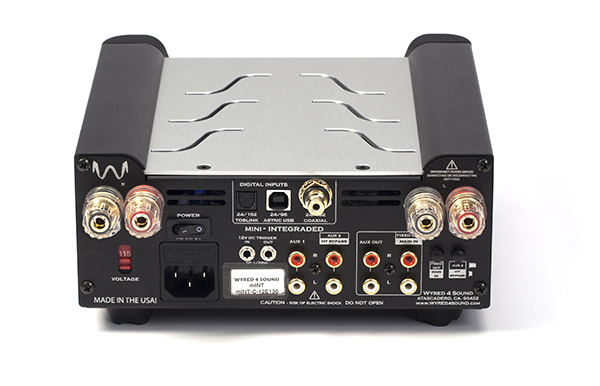 The three digital inputs work equally well, and performance is on par with many outboard DAC’s that are similarly priced. Eliminating some of the extra buffers and gain stages required with separate components pays big dividends here, giving the mINT high performance at a very reasonable cost. You could easily spend $1,499 on power cords and interconnects between a separate power amplifier, preamplifier and DAC, making this little marvel a major bargain. In addition, the mINT offers a headphone jack on the front panel, upping the fun and the value factor even further.
 Additional listening