


If you’ve listened to Carrie Rodriquez’ new album She Ain’t Me, you know this lady can sing. However, it might be easy to pass her off as yet another highly competent singer/songwriter that blends in with the fold. The disc is good, but somewhat subdued.
Her live show is a completely different story. Opening for Alejandro Escovedo, she calmly walked onto the stage to introduce herself and then exploded. Alternating between the fiddle, electric mandolin and tenor guitar, she matched licks with guitarist Hans Holzen to offer up a powerful presentation.
The combination of such a good band with such a powerful voice was the surprise of the evening. Read More
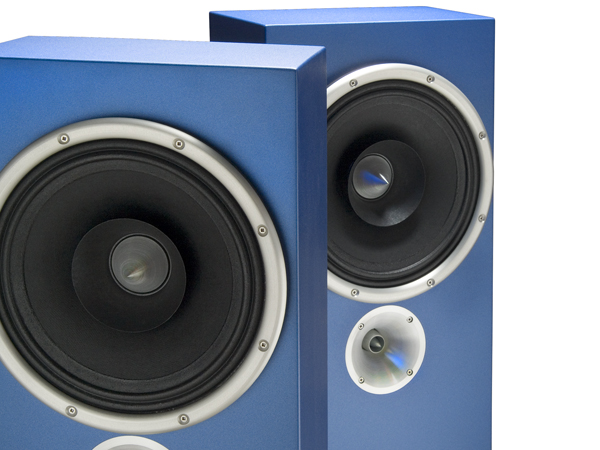 With 101 dB efficiency and 11-ohm impedance, the Druids can be mated to flea-powered SETs and high-powered monoblocks equally. Using a full range driver mated to a super-tweeter, the Zus were extended in the bass and very dynamic. While they require careful set-up to sound their best (which includes Zu speaker cables), these Druids were “one of the most enjoyable speakers” we’ve heard.
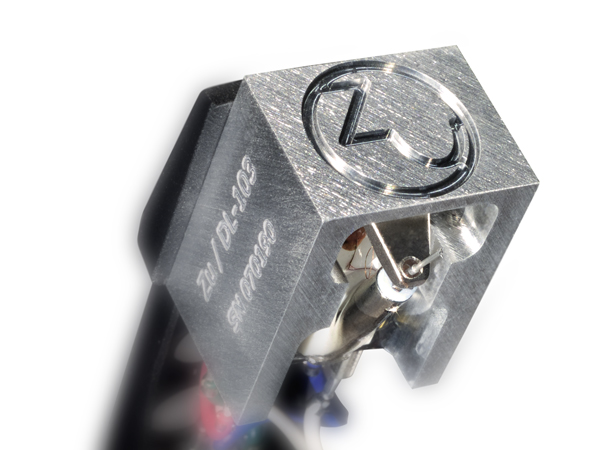 Take an old Denon 103, replace the plastic body with one made from milled aluminum and you have one of the most intriguing and blissful cartridges that has ever sold for under $400. You may have to pinch yourself when you mount this heavy (14g) cartridge on your expensive analog rig and still have a sound that is supremely musical. Oh, and it works wonders for inexpensive ‘tables such as the Technics SL1200 as well.
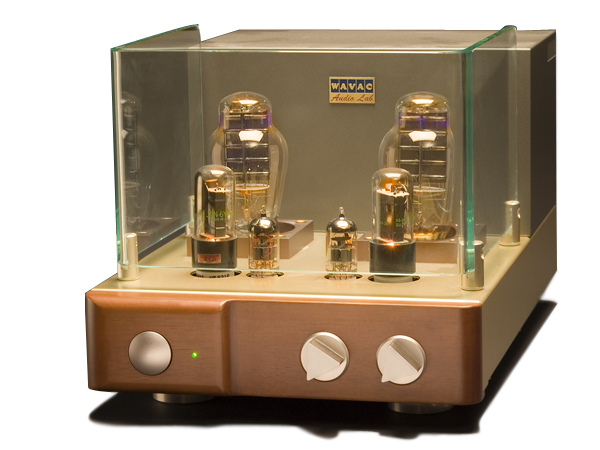 This beautifully made SET amp is “detailed, smooth…and expensive” and made us think of Ferraris and Porsches while it was in our systems. $7500 for 10wpc may seem crazy, but this amplifier is work of art. It’s also “merciless with anything you attach to it,” so choose your other components very carefully in order to be rewarded with “some of the best sound you will ever hear.”
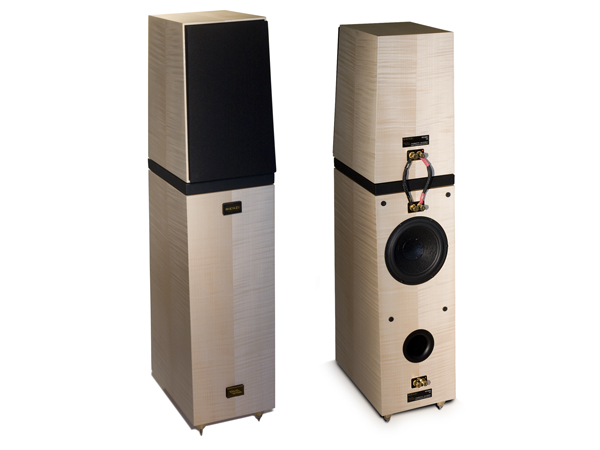 This beautiful and compact floorstander is comprised of two separate enclosures for the drivers, and can be positioned with the low frequency driver facing toward either the front or back. This results in a very flexible speaker that excels in both small and larger rooms, presenting a huge soundstage in a variety of room placements. Sound from the Rienzis consistently “expanded beyond room boundaries.”
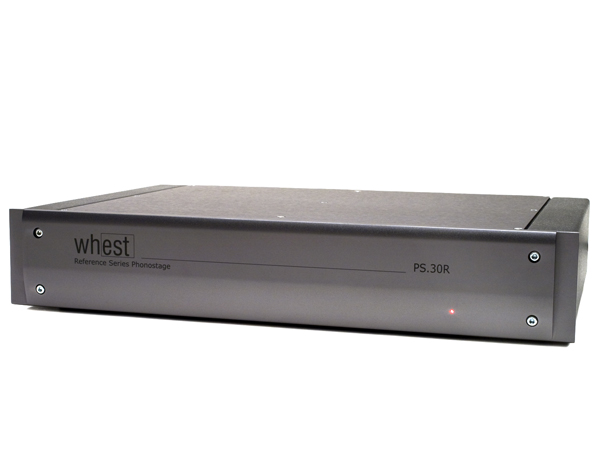 This British-built solid-state phono preamp sounded “tight and dynamic with fantastic inner detail” but is still able to provide a balanced soundstage that is neither forward nor laid-back. While some audiophile desire a more warm and natural presentation form analog, the Whest will satisfy those who require a “ruthlessly revealing” tool that also counts impressive holographic imaging among its strengths.
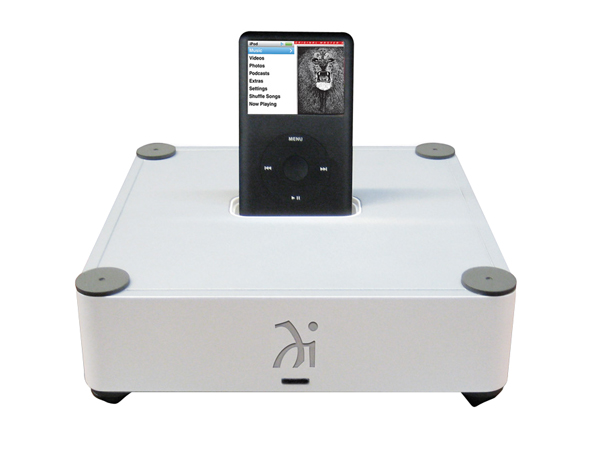 The first dock for iPods that truly makes this format sound great, the Wadia can produce CD-quality sound as long as you hook it up to a decent DAC. Offering the same impressive Wadia build and design in a much smaller chassis, the 170 retails for only $379 yet provides “everything you require from good digital.” We found it to be a truly revolutionary product.
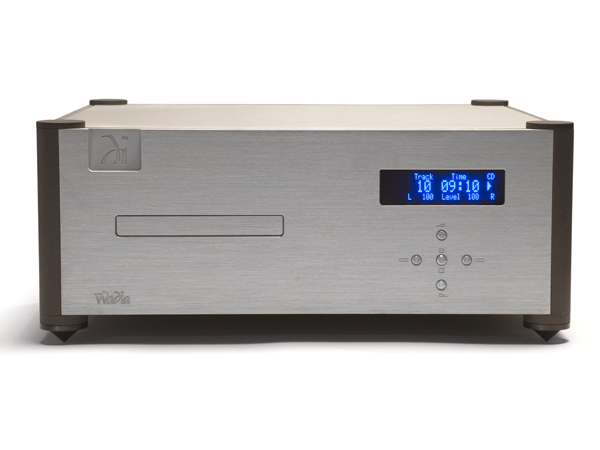 We loved the original Wadia 581, but this “i” version adds full digital inputs and variable output so that you can plug it directly into a power amplifier. The 581i, unlike its predecessor, now plays SACDs as well, rekindling our excitement for that format. The Wadia is so versatile, it’s very easy to “make it the center of your digital universe,” especially considering the ability to upgrade software in the future.
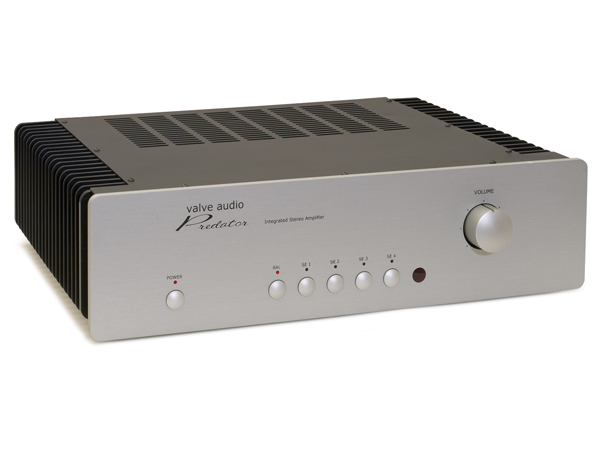 This 200wpc hybrid powerhouse from South Africa provides just a touch of warmth that differentiates itself from its solid-state competition. The Predator produces a truly textured sound that will satisfy tube die-hards and may be an excellent and solid anchor for systems in the five to ten thousand dollar range. It’s a winner if you’re “dedicated strictly to the music.”
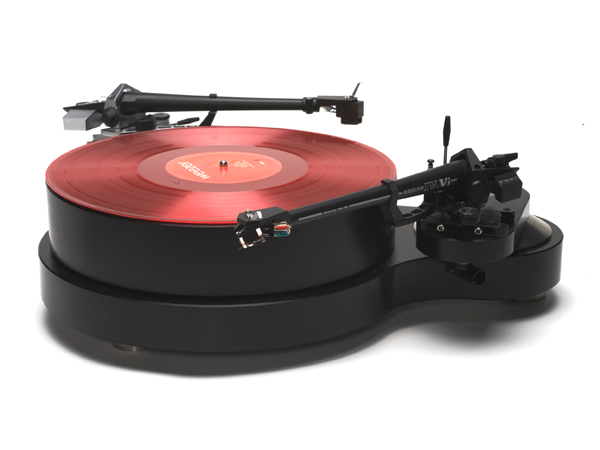 We were looking for a turntable that could accommodate two tonearms to perform cartridge and tonearm comparisons, but little did we know that we would find one that offered so much performance at a relatively modest price. This German rig offers most of the performance of many five-figure rigs, making those behemoths seems a little indulgent. “The gap is not that big,” we summarized, so we bought it.
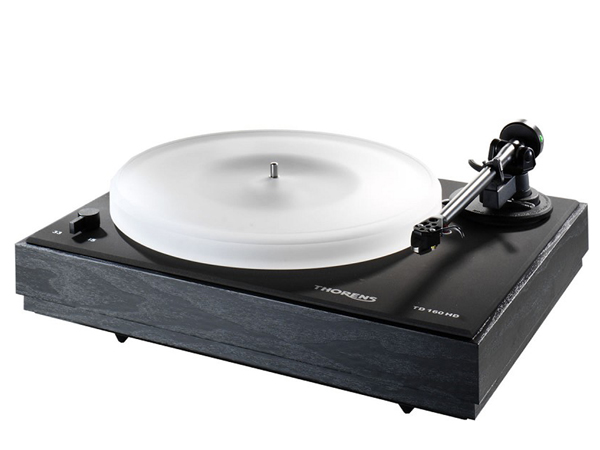 This lightweight and compact update to the legendary TD-160 offered a fast and exciting sound due to new plinth materials that control resonances. With the included SME, the Thorens provided a very precise sound, allowing listeners to hear “new details in familiar recordings.” It’s easy to set up as well, providing an almost “plug and play” experience.
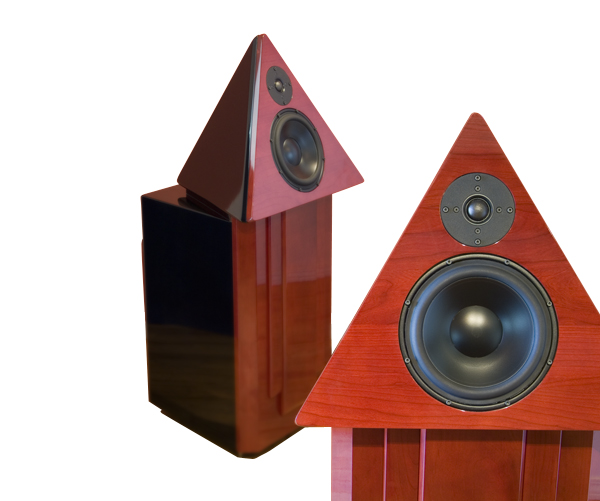 Form follows function with these funky-looking yet exquisitely crafted loudspeakers, and its large ported enclosure with triangular top created a soundscape that was “very open and dynamic.” The 506’s high sensitivity made them a perfect match for many SET amplifiers, and we found that we could rock at very high listening levels even with just a couple of 300Bs at the helm.
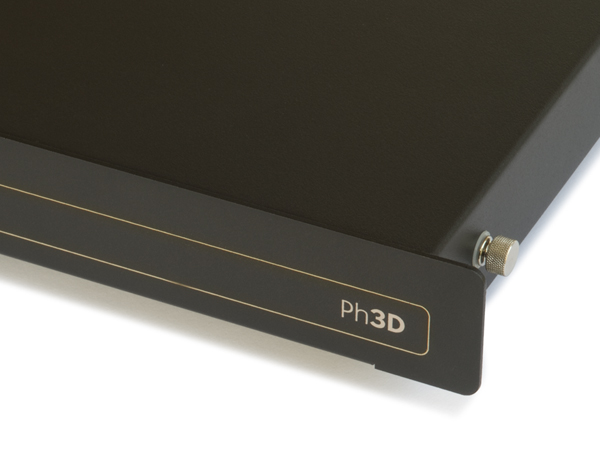 Battery power may be the future of phono stages, and we felt that this relatively affordable model from designer Ron Sutherland was one of the quietest preamps available at the $1000 price point. Throw in 16 “D” batteries, and you’ll have great analog sound for around 1200 hours. The Ph3D was “energetic and expansive,” and emerged as a top contender in a very crowded field.
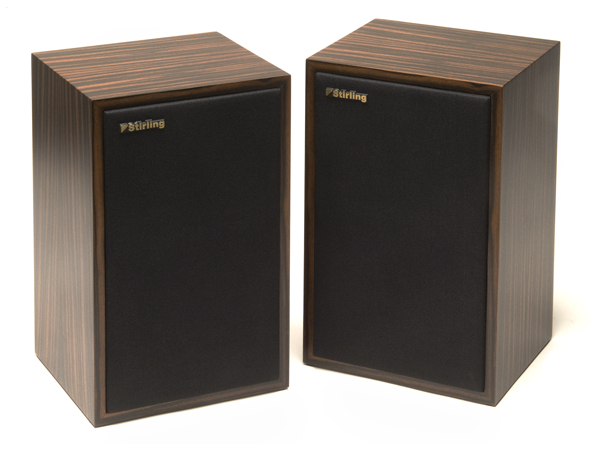 This reworking of the venerable classic features new drivers and builds upon the strengths of the original¨Ü (we even compare them directly to an older pair of Rogers LS3/5as). Perfect for small rooms and near-field listening (for which they were originally intended), these are much more balanced mini-monitors and will not sound dated, unusually small or ordinary. The version with Cicable external crossovers are also reviewed.
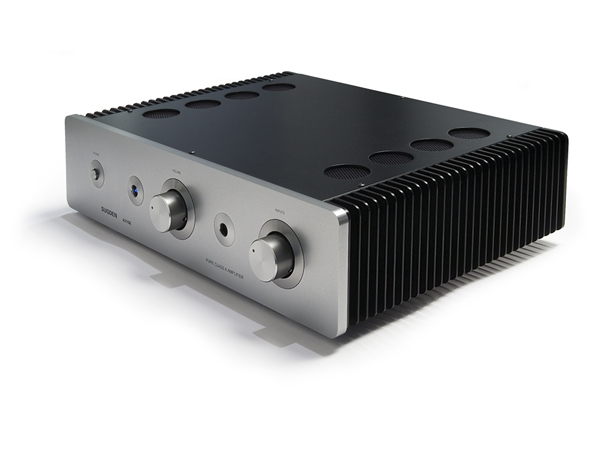 This updating of the classic British Class A integrated will warm up your soul as well as your listening room. Modestly powered, the A21SE still offered a surprising amount of headroom while still sounding about as “tubey” as solid-state can get. “The pinnacle of audio simplicity,” the Sugden is the perfect amp for those who consider themselves music lovers first.
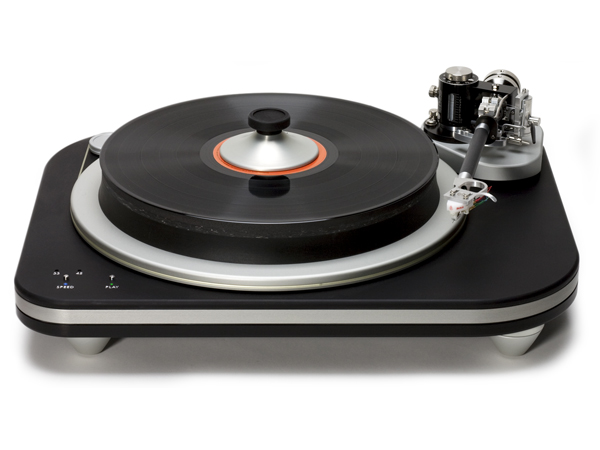 After reviewing quite a few cost-no-object analog rigs over the last few years, we’re absolutely smitten with this one. Paired with the Tri-Planar mk. VIII arm, the SG-2 offers a HUGE sound for a relatively affordable price. It’s simple, beautiful and offers an exquisite level of fit and finish. We chose it as our Product of the Year in the analog category, and we recommend that you audition it before writing a check for one of those mega-buck contenders.
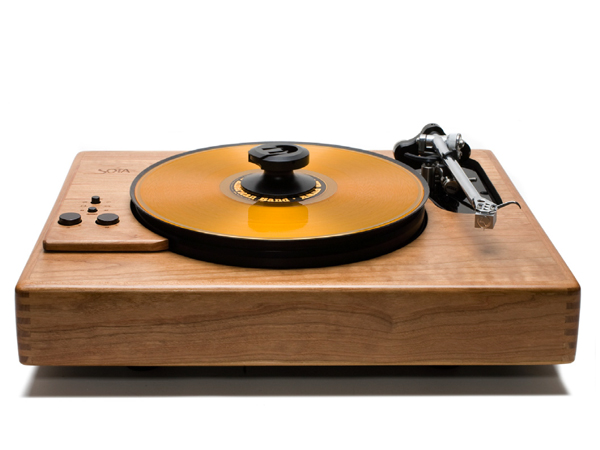 If you’re wondering whatever happened to SOTA, maker of some of the finest turntables throughout the ’80s, you’ll be happy to know they’re still around and still making great products. The Nova V features vacuum clamping via a very quiet air pump, and offers an innate sound quality that is lush yet balanced. The SOTA features a “classic look with fantastic performance…that never goes out of style.”
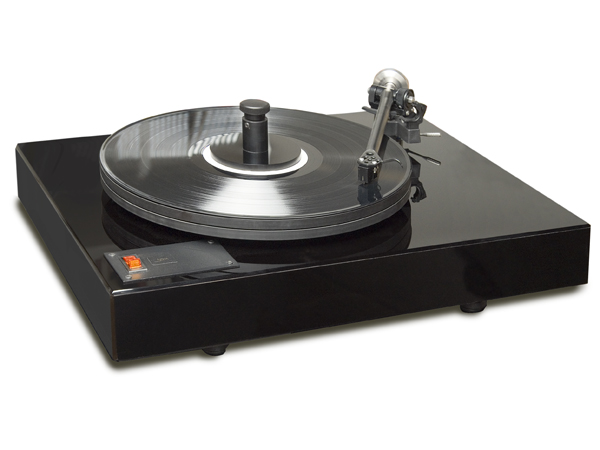 An unsung hero in the world of affordable turntables, the Comet does a “great job on the fundamentals” and offered extended bass, detail and texture galore. Mated with a good cartridge in the $500 range will offer “very involving analog playback” for journeyman audiophiles looking to take it to the next level (we found it to be a perfect match with the wooden-bodied Grados).
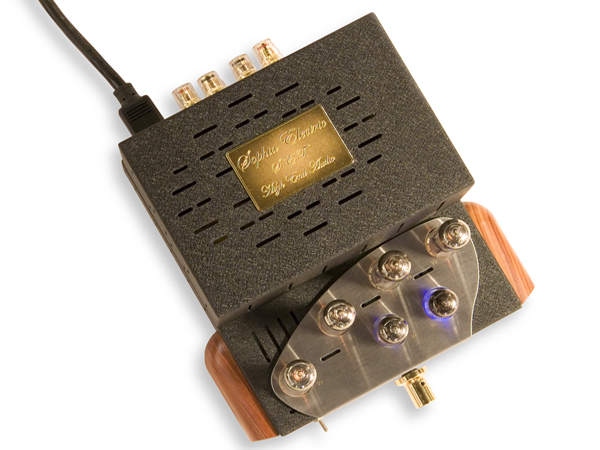 A 10wpc push-pull tube amplifier, the Music Baby is a viable low-powered alternative for those who believe SETs lack extension at the frequency extremes and inner detail. Beautiful and robust in construction, the Sophia had plenty of finesse and will offer plenty of magic with the right room and the right high-efficiency speakers.
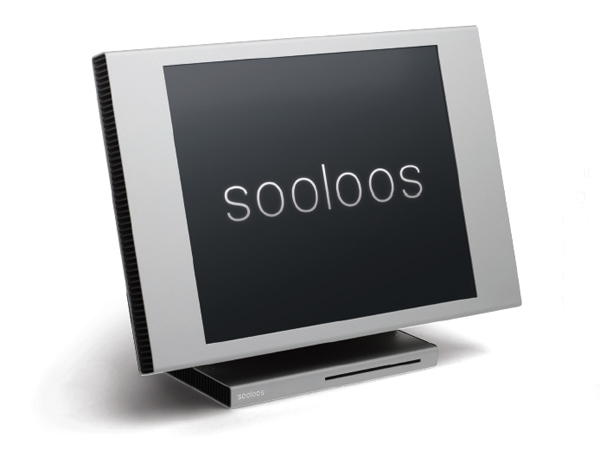 While a music server can be bought (or even built) for significantly less, the Sooloos is simply unequaled in terms of user-friendliness. Almost every person who came in contact with the wonderful touch screen was reduced to blubbering; play with the Sooloos once and you’ll immediately want one, regardless of the price. We called it “the ultimate music lover’s treat” that possessed “a touch of greatness.”
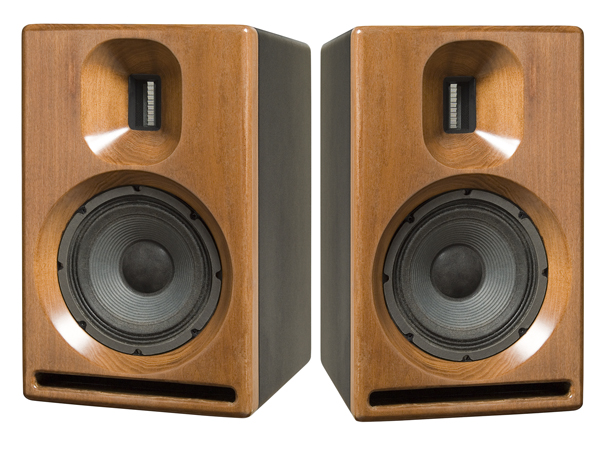 With their 95 dB sensitivity and stunning good looks, the Concerto 2 monitors are a perfect match for SET amplifiers-even those with 2A3 output tubes. The Sonists provided a very romantic sound (they were voiced with SETs in mind), and they can convey a big presentation with extremely smooth high frequencies as well. While not detailed, these speakers are nevertheless very musical.
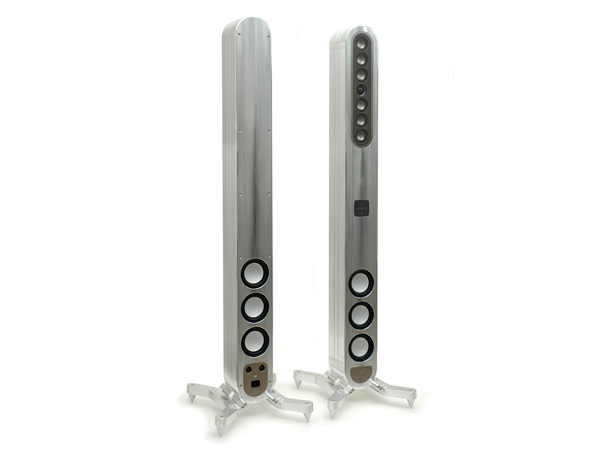 $110,000 buys you two slim tower speakers, two subwoofers, a DEQX digital preamp/controller with remote control and custom-designed power cords and interconnects. It also buys you a magnificently-machined aluminum work of art that offers fantastic build quality and “a maniacal attention to detail” that propels this design into the realm of “the best sound systems available today.”
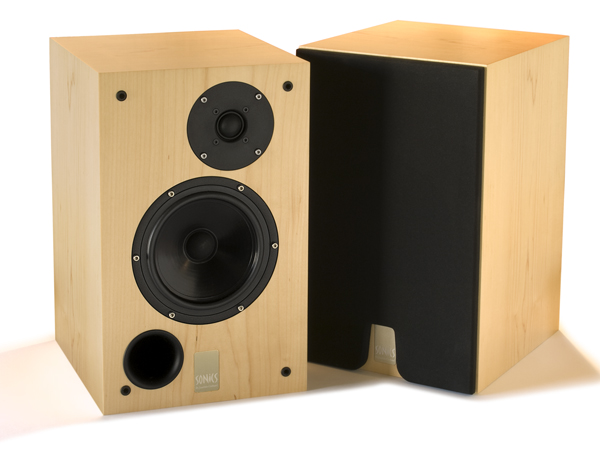 On the outside these are mild-mannered medium-sized 2-way monitors, but on the inside dwells some serious engineering that made the Argentas “confounding at first listen.” Modestly priced at $1500 a pair, these are very accomplished speakers that go deep in the bass (down to 38 Hz!) while sounding smooth and seamless through the treble. Highly recommended.
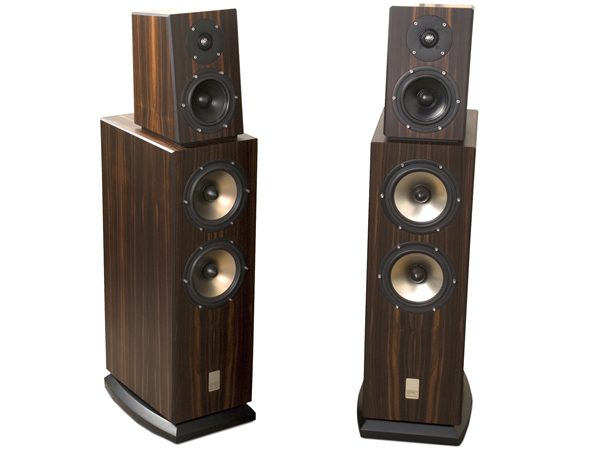 From the former designer at Audio Physic, the Allegras are “a real contender” for the money and are gorgeous to look at as well. Efficient and friendly to tube amps, these Germans were anything but clinical and completely disappeared into the room thanks to their wide dispersion patterns. If you like Audio Physic speakers, we concluded, “you’ll love these.”
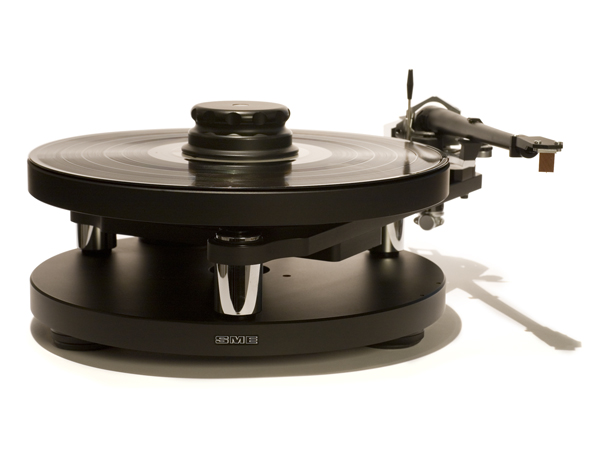 The entry level turntable from this legendary British company surpasses the performance of many so-called “flagships,” and we were very impressed with the engineering and flawless build quality as well. We found that character of the 10 always shined through no matter the system, and we were never once disappointed with the results. It made the sound of our best LPs go from “great to unbelievable” on a consistent basis.
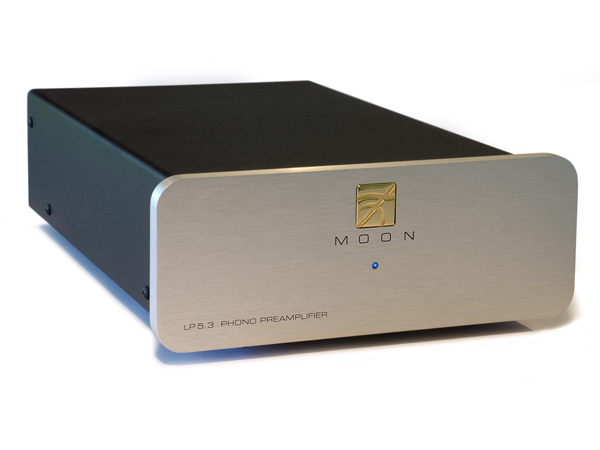 Compact and attractive, this Canadian phono stage “radiated quality” when pulled out of the box and offered a sound quality that “will never be the weak link in any system.” The LP 5.3 was also extremely quiet and was the perfect tool for lowering the noise floor in an all-tube system. With its flexibility, we found that it was the very definition of a “Swiss Army knife” audio component.
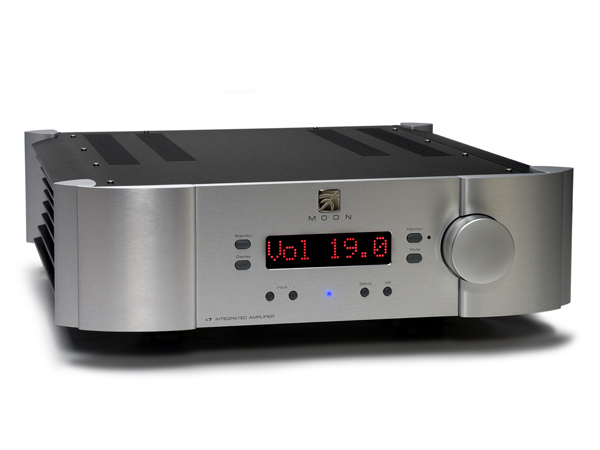 The flagship integrated amplifier from this respected Canadian audio company is a dual-mono balanced design that offered an “engaging and effortless sound.” With 150 watts per channel on tap, this beautifully sculpted solid-state amp can drive just about any loudspeaker on the planet and may be the perfect solution for audiophiles who are tired of swapping tubes.
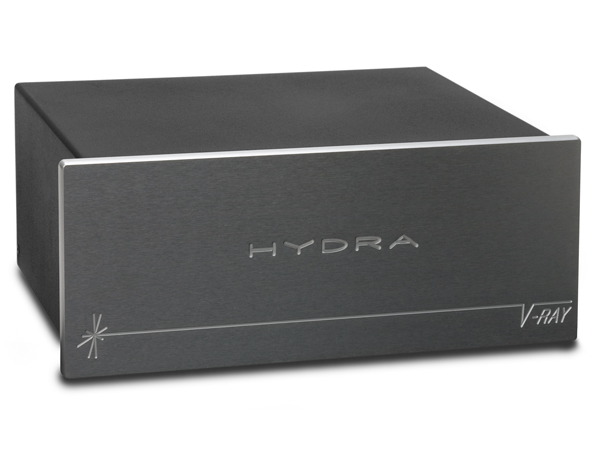 This hefty 40-lb. line conditioner excelled at lowering the noise level in a number of systems, but was especially effective with SET amps and other types of valve-based designs. Noted for its ability to make systems sound more three-dimensional, we felt that removing the V-Ray from the chain was the sonic equal of replacing a new set of tubes with old, worn-out ones.
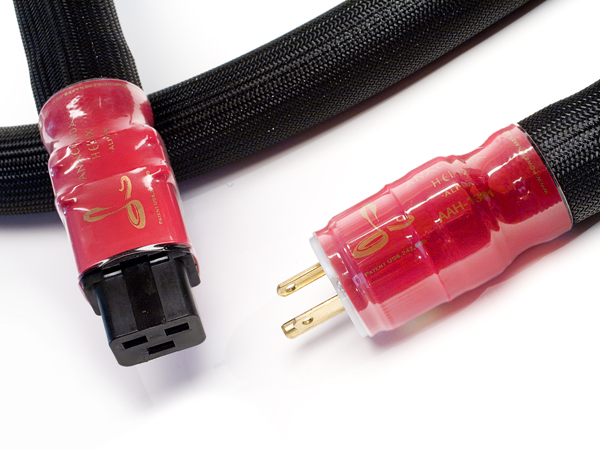 We can be as skeptical as the next audiophile when it comes to premium power cords, but we heard definitely sonic advantages to using these two products. The Anaconda resulted in “a reduction in grain and haze,” and while the Dark Field elevators may seem kind of tweaky at first, everyone who used them wanted to keep them.
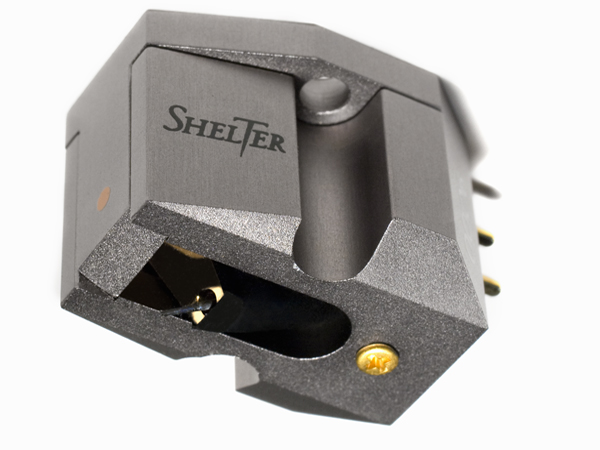 An “improvement in every way” over the classic 90x it replaces, the Shelter 9000 offers control and texture for a very reasonable price. Perfect for an analog rig that might be a tad laid back, the low-output MC flagship from this very popular Japanese company is forward yet offers a big slice of what the hyper-expensive cartridges provide.
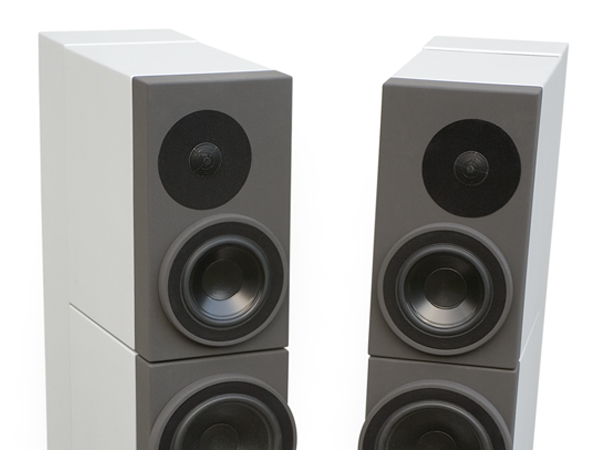 The flagship speakers from this relatively unknown German company are a modular design that are capable of filling almost any room with powerful, authoritative sound. While the bass only went down to about 36 Hz, we found them to be an excellent speaker for loud rock while excelling in microdynamics and detail. The upgrade path even allows you to start off with small monitors and “work your way up!”
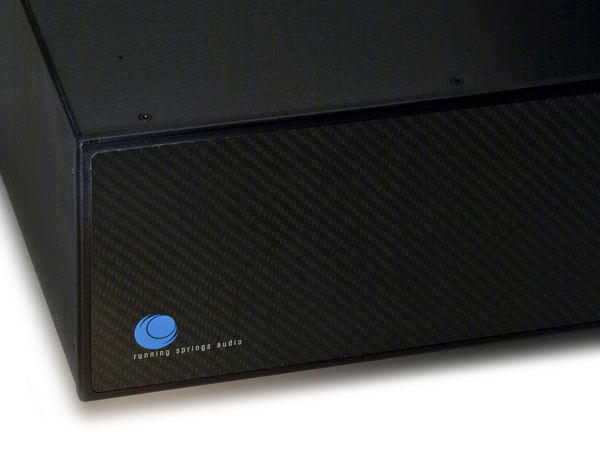 We’ve been huge fans of Running Springs products since Issue 2, and the Dmitri takes power-line conditioning to a whole new level. While the new carbon-fiber faceplate and isolation feet are an attractive and functional additions, even bigger improvements come from within. We felt the Dmitri offered even more substantial reductions in the noise floor and “represents the state of the art” in power-line conditioning.
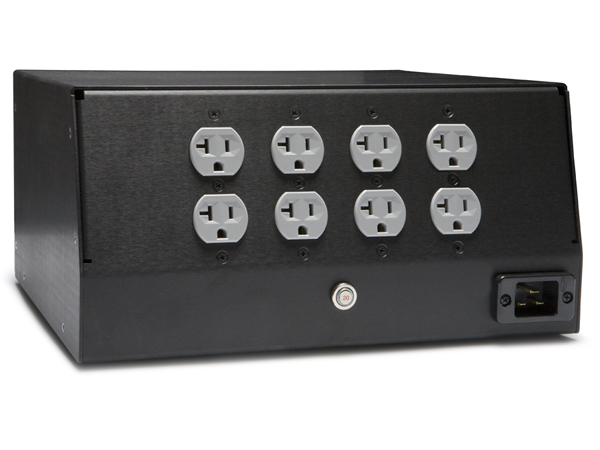 The Jaco was the first power conditioner that we felt lived up to its claims, and we “won’t review another piece of equipment without it.” This was the rare conditioner that didn’t restrict dynamics and didn’t sound like a tone control. “The noise floor wasn’t just lowered, it was gone” we concluded. “Using the Jaco was like buying a whole new system.”
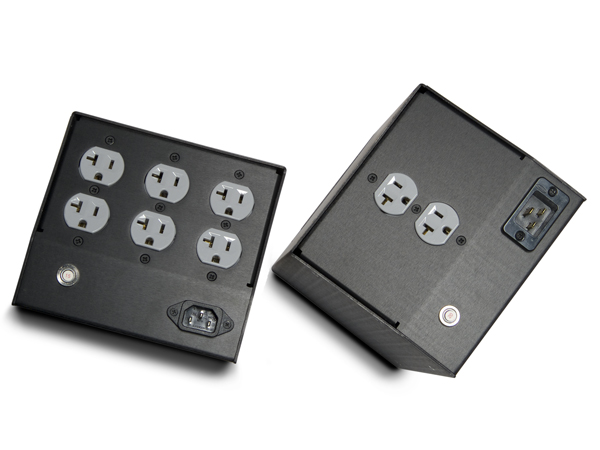 We approached these two products from the viewpoint of someone who may be skeptical about power conditioning, and we walked away convinced. The RSA units made music sound “more real,” with fuller mid-bass and smoother highs, and they may actually help to reduce overall listener fatigue. The lower noise floor also made the sound “more fully resolved.”
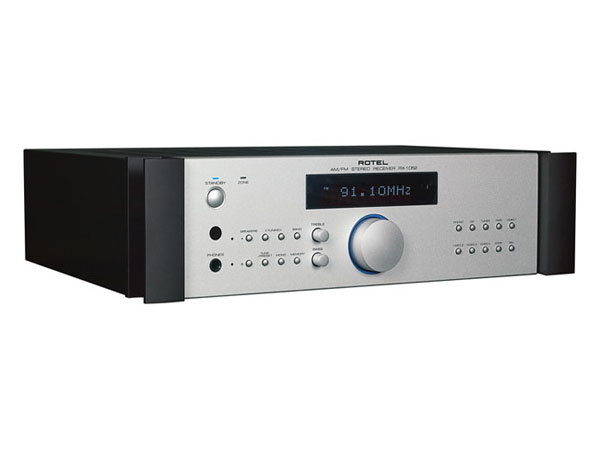 The two-channel receiver is alive and well, and Rotel has equipped this one with all the bells and whistles including an MM phono section, a high quality FM tuner, a built-in headphone amplifier, two sets of speaker outputs and tone controls (that’s right, just like in the old days). Rotel has also kept the “old days” price, offering this 100wpc receiver at just $899. It sounds pretty darned good as well!
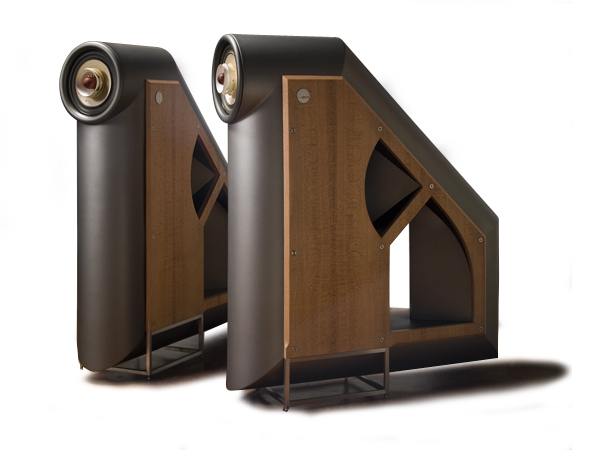 The single-driver Rethms are designed specifically for low-powered SET amplification and may not be “everyone’s vision of audio nirvana.” But these massive cabinets mated to Lowther drivers delivered a surprising amount of bass and avoid the “megaphone” coloring that afflict similar designs. Incredibly musical and coherent, the Rethms also delivered impressive detail.
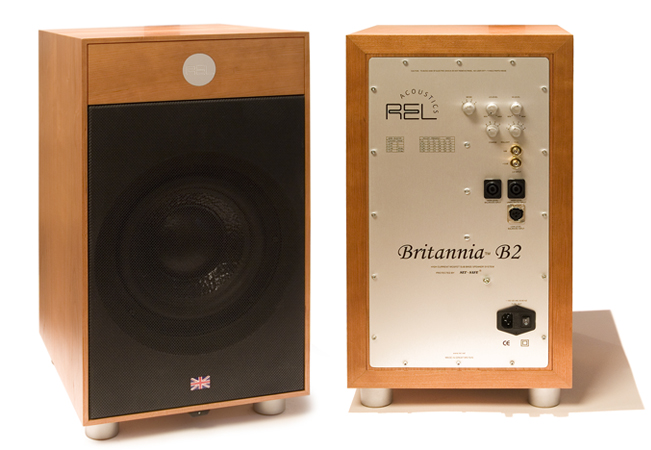 A forward-firing subwoofer with 300 watt amplifier inside, the B2 transformed a number of systems ranging from an SET-based tube system with high-efficiency speakers to a more traditional high-powered solid-state ensemble with low-efficiency Apogees. This sub reveals a large amount of bass detail, not just bass depth, and provides a huge amount of fun as long as you’re willing to experiment with placement.
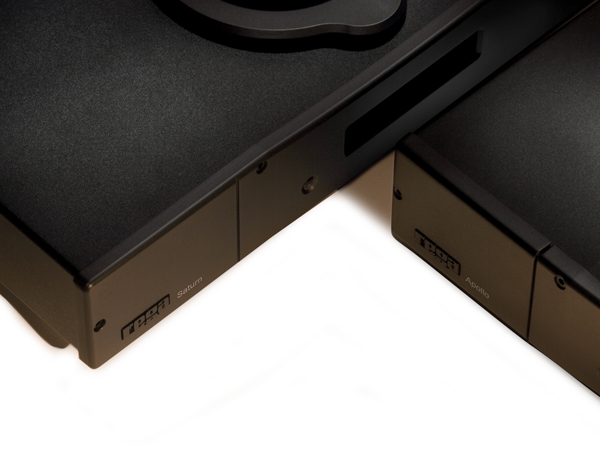 We don’t believe in “shoot-outs,” but we did compare these two well-regarded CD players and determined the formidable strengths of each one at their respective price points. These players look almost identical from the exterior, but we found the innards to be very different, with the Apollo being an excellent player for the money and the Saturn being an excellent player, period.
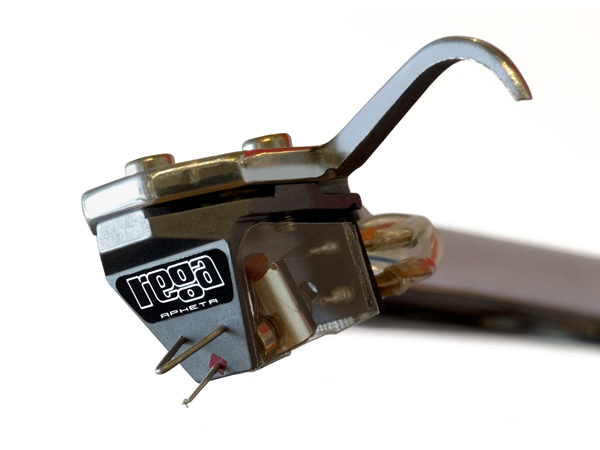 It was such a pleasure to use Rega’s flagship turntable with their first MC cartridge that we kept it on as the reference at its price point. It offered “first-class analog” sound with plenty of air and texture and detail and a complete lack of grain. It’s also easy to own since it’s so hassle-free; it’s perfect for the audiophile who hates to tweak and just wants to listen to music.
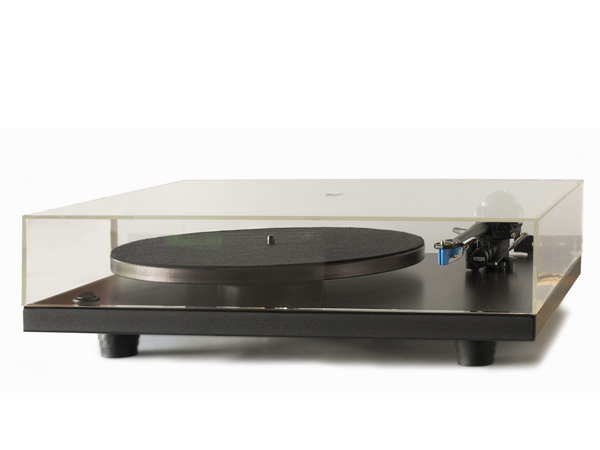 The latest version of this legendary turntable now offers an optional external power supply, new plinth construction and the same motor found in the flagship P9. For less than $1000, this Rega is the perfect solution for analog lovers who want to amass a large LP collection before committing to a megabuck ‘table. We think it remains “one of the best performers and best bargains in vinyl playback.”
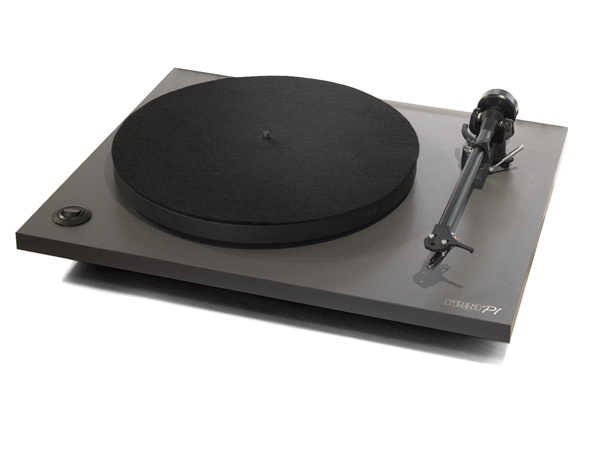 “Fun right out of the box,” this entry level turntable from Rega comes fitted with a new tonearm and an Ortofon cartridge-all for under $400. It delivers a lot of music for the money while “committing no real sins,” and is a great value for those audiophiles and music lovers who want to jump back into vinyl without spending a fortune.
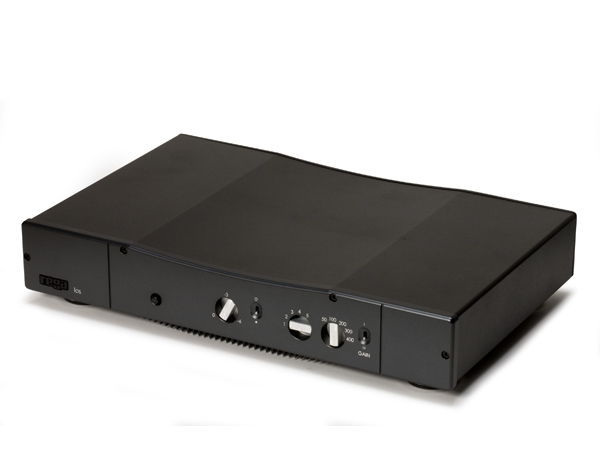 Rega’s new premium line of products has surprised us with their outstanding level of performance, and this $3195 phono preamplifier competes with the very best available. “Quiet yet powerful,” the Ios is a heavy, extremely well-built machine due to its substantial power supply. It’s so quiet, in fact, you’ll be unsure of whether or not it’s turned on until the stylus hits the groove.
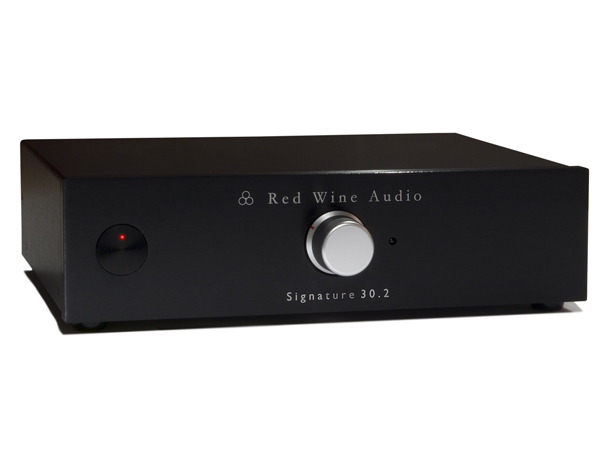 A compact, well-built and stylish battery-powered amp, the 30.2 Signature comes with or without a volume control so listeners with one source can bypass the need for a preamp (as well as an expensive power cord!). We describe it as a “great little amplifier,” and even get to chat with RWA’s Vinnie Rossi about the future of audio and his unique products.
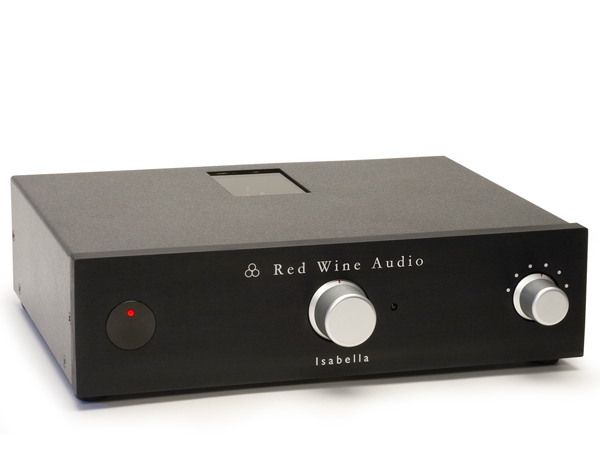 This battery-powered “little jewel” can be configured in a basic version, with options for a DAC and a headphone amplifier available for a little more. Due to the SMART battery charging technology, this preamp shifts to AC power when the juice is running low and automatically starts the recharging process. We were mightily impressed and felt that the Isabella was much quieter than any preamplifier we have heard at this price point.
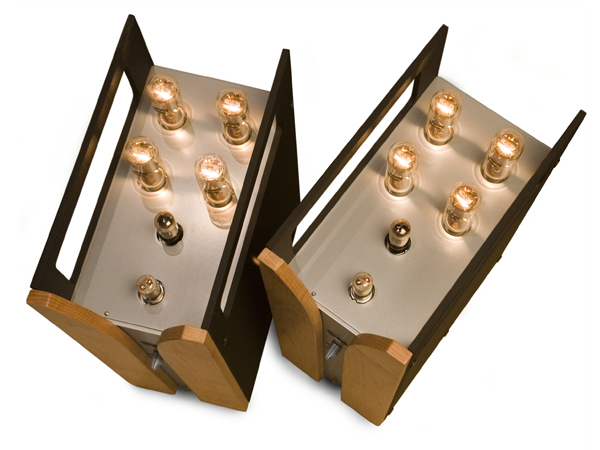 At nearly $40K per pair, these tube amplifiers are built by hand in Colorado and feature point-to-point wiring, a beautifully-rendered chassis and four 572 output tubes per side. While it takes 100 hours to build them, they are offered with a variety of custom finishes and are rare enough to appeal to exceptionally well-heeled audiophiles. While $40,000 is a lot for a 50wpc amp, the sound is “really intoxicating.”
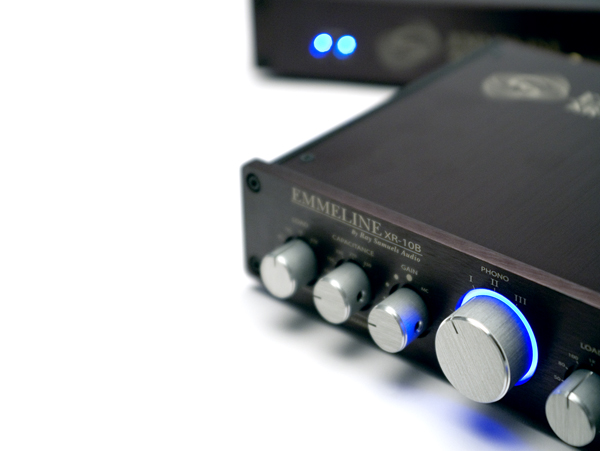 We found that the XR-10B stands out from most other solid-state phono preamps by offering three inputs, making this the perfect solution for those lucky souls who have more than one turntable sitting around. An “analog addict’s dream,” the two-box XR-10B was extremely quiet yet powerful and had a highly refined sound that made this unit a bargain, even at $4500.
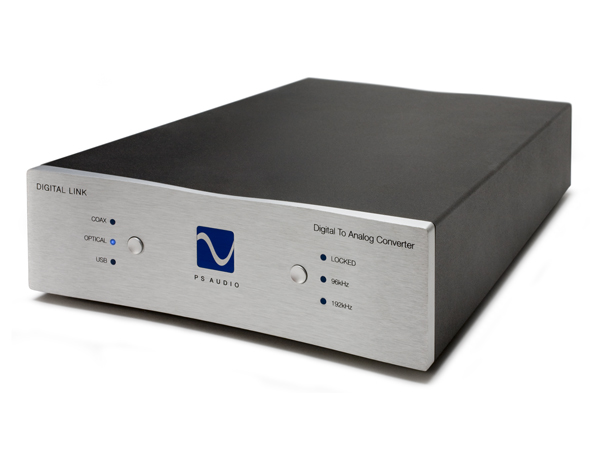 After introducing one of the first commercial DACs on the market back in the ’80s, PS Audio revisits the original DL and adds 96 kHz and 192 kHz upsampling for basically the same cost ($1000). This well-built unit is elegant but simple, and easy to use as well. We also found the sound quality to be consistent with many of the better $2K one-box players available today.
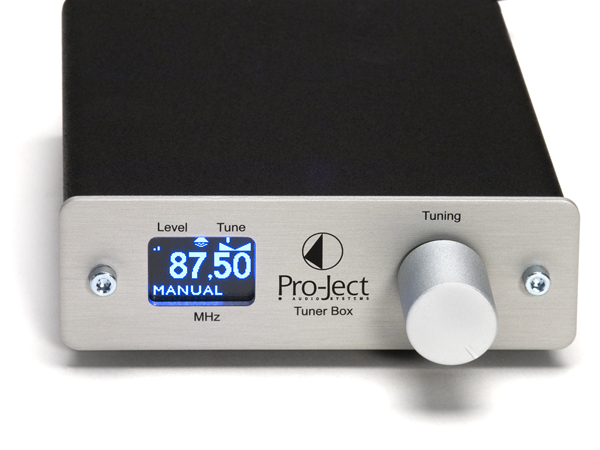 As rumors of the death of “terrestrial” radio gain momentum, many audiophiles may just want a simple, compact tuner to hear those last gasps of breath. This tiny yet feature-filled FM tuner retails for only $249, which makes it a viable and affordable alternative to those Marantz 10Bs and McIntosh MR-78s that are still commanding a thousand bucks on eBay and Audiogon.
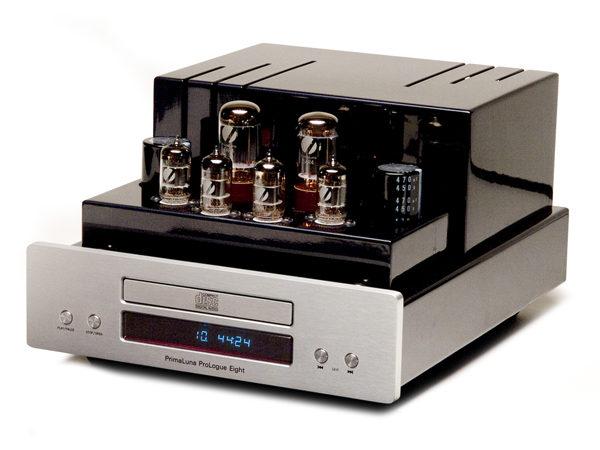 This CD player has a full complement of tubes and looks more like an amplifier than a digital front end. The sound was very tube-like as well, offering a large, almost spherical soundstage that reminded us of a great 300B amplifier. The digital technology is decidedly modern, however, with the proprietary SuperTubeClock offering “gains in clarity, resolution and detail.”