




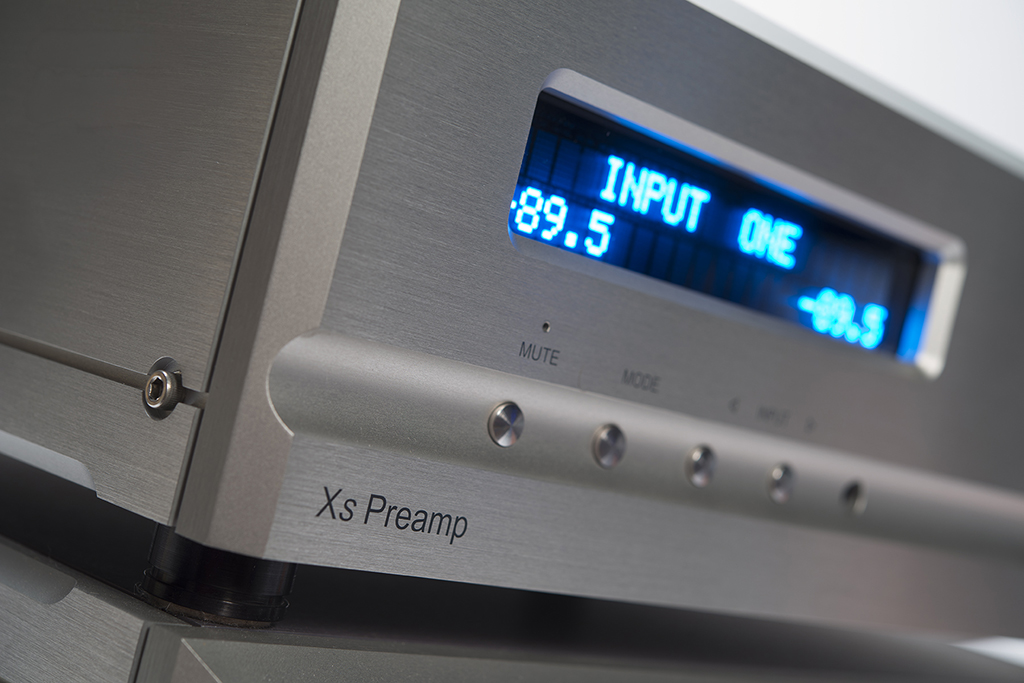
Pub. Note: This was originally published about 11 years ago, but with our upcoming review of the replacement model, we thought it would make sense to make this easier to find, as we compare it to the new XS Pre 2.
Of the thousands of tracks auditioned during the Pass XS Preamplifier’s stay here, Lou Reed’s “Vanishing Act” sums it up perfectly. As he sings/speaks, “It must be nice to disappear…” the words to describe the XS Pre appear. It just disappears, calling no attention to itself, perhaps the toughest thing for an audio component to do.
Just like buying a car, test driving a premium audio component is usually a shorter first date than you’d like. In the end, it requires a certain leap of faith, and if you blow it, it’s going to cost you dearly. Much as I love Pass products, if you decide that the $38,000 XS Pre isn’t for you, there will be a stiff penalty, should you turn it over for something else. Like any other five figure hi-fi component, putting this two-chassis beauty back on the secondary market after a few months of use will be an expensive proposition unless you have an incredibly forgiving dealer, used to you doing this kind of thing on a regular.
The good news is that the above mentioned scenario probably won’t happen. I’d even go out on a limb to bet about 100 to 1 odds that it won’t. I’ve been using the XS Pre for over a year now, and I’ll do my best at describing it so that you won’t make a misstep.
First, and most importantly, where the Pass XS and XA series amplifiers have an ever so slight tip towards the warm side (which I happen to prefer) of what I’d call neutral tonality, the XS Pre is as close to having a straight up, 12 o’clock, right in the center neutral tonal rendition as I’ve ever experienced. The only other preamplifier I’d put in this category is the Boulder 3010, and to a slightly lesser extent my other reference, the Robert Koda K-10. Either of these preamplifiers cost as much as a gently owned BMW M3, and each is phenomenal performers.
Special and then some
 Today there are a lot of incredibly competent preamplifiers, many costing less than the XS Pre and a few costing even more. Now and again, a component is so overwhelmingly good, that it’s an express elevator ride to audio heaven. My Conrad Johnson GAT2 is one of those preamplifiers too, but it’s got vacuum tubes, and only sports single ended RCA inputs and outputs so that it won’t be everyone’s idea of heaven.
The world’s finest preamplifiers that I enjoy impart little to no signature of their own to the music, yet they offer a bigger, broader, weightier presentation than a system is capable of without a preamplifier involved. This is a unique bit of magic that don’t completely understand because, in a perfect world, you would think that just going straight from your DAC or phonostage (provided it had a level control) would bring you closer to the music than running everything through another box and set of cables.
Good as the dCS Rossini DAC and Clock combination is on its own, running a pair of Cardas Clear interconnects directly from the dCS pair to the XS300 amplifiers sounds smaller, less focused and pale in comparison to putting the XS Pre in my reference system. How can this be? Especially considering Mr. Pass (the creator of the First Watt amplifiers – champions of the “less is more” approach to circuit design. Inserting the XS Pre in the signal path is not subtle. Again, this preamplifier does not change the tonal character or balance a molecule, yet everything enlarges. Dynamic range increases to the point where transients explode from the speakers where they merely had punch before, and the soundfield created by the system becomes much larger in all three dimensions. The sonic presentation goes from big and satisfying without the XS Pre to being engulfed in a tornado of sound. This effect was observed with every power amplifier connected, from a modest Conrad Johnson MV60SE up to the mighty XS300 monoblocks, so this can’t be a mere “impedance matching” kind of thing.
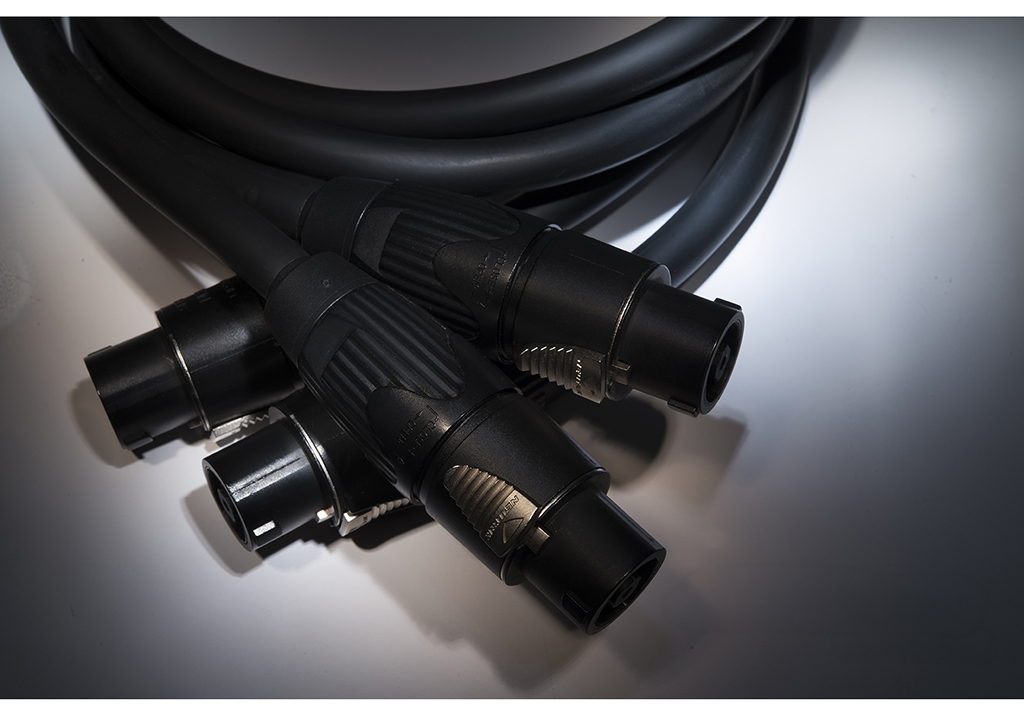
We’ve had the opportunity to use the XS Preamplifier together with the matching XS300 monoblock amplifiers to excellent result, paired with the XS Phono, making for an unbeatable combination of dynamics, tonality, and ease of use. There truly is nothing I can find fault with this trio. Ok, it’s all pretty heavy. That’s it. Fortunately, the XS Pre only weighs 80 pounds, and it is distributed between two chassis, the power supply, and the actual preamplifier circuitry. The two are connected by the same massive umbilical cords used in the XS Phono and the XS 150/300 power amplifiers. Terminated with Neutrik connectors, these are beefy cables indeed. 100,000µƒ of power supply capacitance per channel only hints at the power reserves available.
Nelson Pass and his crew have repeatedly said that they build components that they like, above all else. While many know the man with the name that adorns the faceplates as “the man” at Pass Labs, he is the power amp man. Wayne Colburn has designed all the Pass Labs preamplifiers and was given a clean slate (and pretty much a blank check) to design a companion preamplifier for the XS monoblock amplifiers. Rather than bore you with a long list of common audiophile clichés, he has succeeded on every level.
Incredibly versatile
Lovely as the XS Pre is with a full compliment of Pass components, it is equally engaging with every other power amplifier we’ve had here at TONE in the last year or so – single ended or balanced. The XS Pre circuitry is fully balanced, but it features balanced XLR and single ended RCA inputs and outputs.
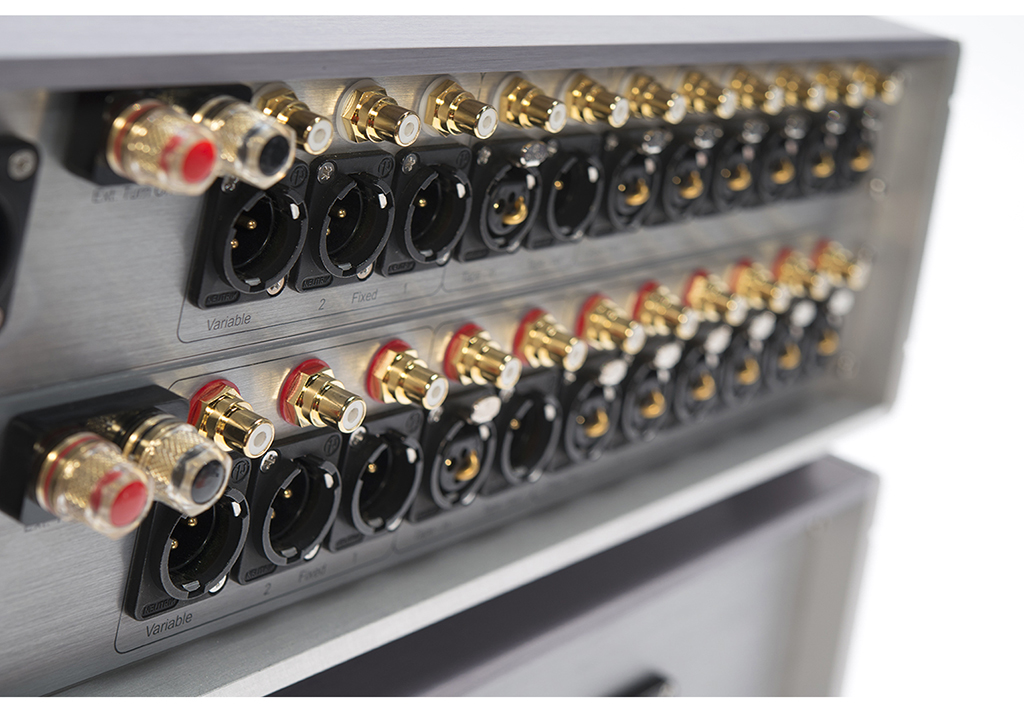
As a review tool, the XS Pre is without peer. It is effortless in its delivery and consistent in sound quality, providing a similar sonic picture with balanced or single ended connections. Even if you don’t review hifi gear, this kind of flexibility offers a much wider range of options as your system and tastes change. With the XS Pre offering such a neutral rendition, it is a perfect system anchor, letting you mix, match and experiment elsewhere.
Because the XS Pre doesn’t manipulate or alter the tonal character of the music it delivers, the usual list of tracks to describe bass, treble, and imaging are almost irrelevant. Laurie Anderson once said, “Paradise is exactly like where you are right now, only much, much better.” That’s the XS Pre. It’s much, much better. Add the concept of never having to retube, along with the headache that a new set of tubes can cause, makes it a component you can just leave powered up and forget about it. Matter of fact, there is no power switch.
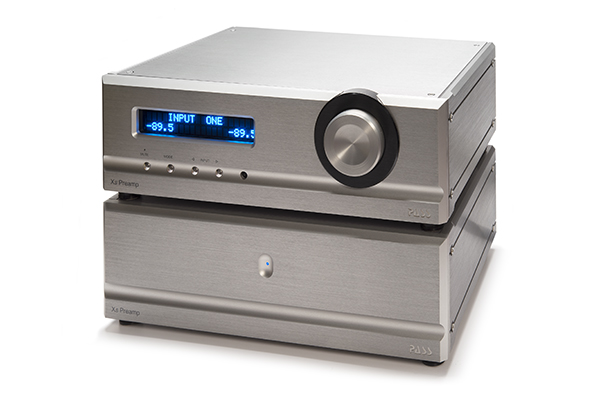
Setup is straightforward, provided you have two extra rack spaces and can separate the two boxes a bit, to keep every possible bit of noise at bay. Once powered up, the XS Pre took about four days to come all the way out of the fog from being fresh out of the box. As with any component, there is a slight bit of stiffness at initial turn on, but it dissipates quickly.
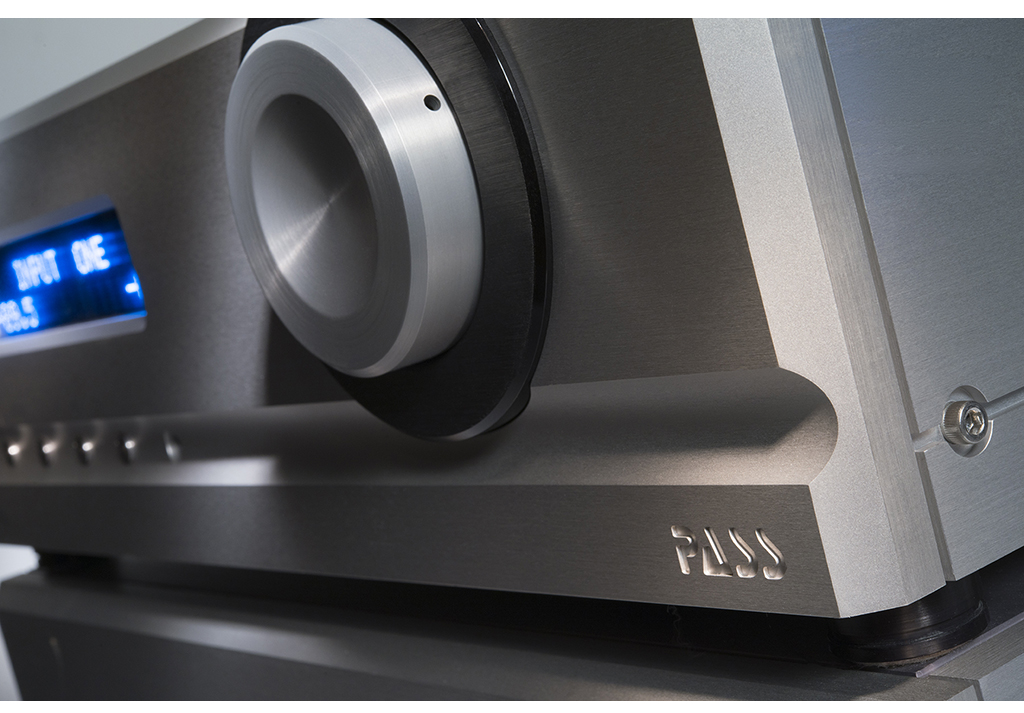
The front panel has a large volume control and a display friendly to read from across the room. Pass provides a simple, efficient aluminum remote that matches the casework of their other products, and this too is easy to use. The volume control has a wide range of operation, so even the most sensitive power amplifiers will have ample volume control range.
A keeper
Ultra high performance has a price, and there are a lot of great preamplifiers in the $10,000 – $20,000 range; even Pass makes one. (The XP-30) After living with a number of them, the XS Pre delivers an experience that you can’t get for $20k. That’s its justification. If you are looking for the last step up and a final justification, it’s worth every penny asked. This may be tough to swallow for some of you in the audience, but you can’t have a Ferrari 458 for $50k either. Like the Ferrari, the XS Pre will take your breath away if you have the room, system, and software to support it. And I’m guessing if you have 38 large, you do.
The Pass XS Pre does its job so effortlessly and so well if it doesn’t hit you on the head with the first track you play, just take it out of your system for about 90 sec. It’s like someone put the valet key in your Dodge Challenger Hellcat and the horsepower is gone. This is one of the purest hifi experiences I’ve had in over 15 years of reviewing components. Long term, I have even more enthusiasm for the XS Pre – every day it convinces me how special it is.
The Pass XS Pre Preamplifier
$38,000
Peripherals
Analog Source AVID Acutus Ref SP/SME V/Lyra Atlas, Grand Prix Audio Monaco 2.0/Tri-planar/Lyra Etna, Brinkmann Bardo/10.1arm/Koetsu Jade Platinum
Digital Source dCS Rossini DAC and Clock, Gryphon Kalliope
Phonostage Pass XS Phono
Power Amplifier Pass XS 300 monos, Pass XA200.8
Speakers GamuT RS5i, Focal Sopra no.3 w/2-REL 212, MartinLogan Neolith
Cable Tellurium Q Silver Diamond, Cardas Clear
 The Sound
 Singular in Purpose