







posted: September 22, 2025
Why I Play Music for Empty Rooms
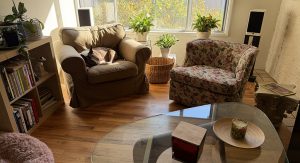
Jeff once asked me why I leave music playing in a room when I’m not even there. My answer goes back to something I read years ago that stuck with me.
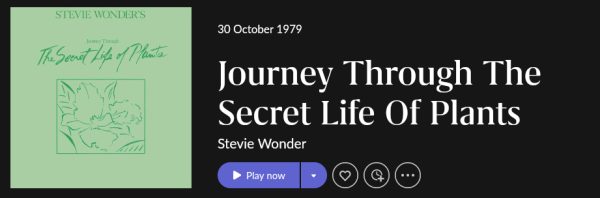
In the 1970s, Christopher Bird and Peter Tompkins published The Secret Life of Plants. The book described studies suggesting that plants respond to music. Even earlier, in 1962, Dr. T.C. Singh found that balsam plants exposed to classical music grew 20% faster and had a 72% increase in biomass. Later, Dorothy Retallack discovered that plants thrived on jazz and classical but wilted when exposed to rock.
Are plants really “music savvy”? Probably not in the way we think. More likely, they respond to vibrations that influence growth—especially when paired with sunlight streaming through a south-facing window.
That got me wondering: if plants react to music, how does classical music affect people? For us, it can calm the body, sharpen the mind, and help regulate emotions. The exact effect depends on the tempo, harmony, and our own personal taste.
When stress builds and the world feels overwhelming, I’ve found that Mozart or Vivaldi brings me back to center. Rock, on the other hand, amplifies emotions—it can fire you up, fuel your anger, or give you the motivation to push forward.
Both have their place. Rock energizes. Classical soothes. And maybe that’s the real reason I let classical music play in an empty room—it’s not just good for plants, it’s good for me too.
-Pamela Dorgay