The Fiio K17

Mini Music Powerhouse

$995.00
fiio.com/k17
Nestled in between my mighty Klipschorns, with ROON playing “Paranormial” by The Art of Noise, it amazes a few of my audiophile buddies that the source is the tiny FiiO K17 DAC. And it’s not just a DAC, it’s a full-blown streamer, preamplifier (though I am only using it as a DAC/Streamer here), and headphone amplifier. It even has a 31-band digital parametric EQ built in!

The bass is extended, defined, and full of texture. Mids are natural and clean. The treble range is well represented, perhaps a touch grainy when compared to much higher priced kit, but completely livable. And the Khorns are a bit extended on top as well, so it’s all good. Going from here to Tom Waits’ “What’s He Building?” reveals just how much midrange detail, texture, and depth this digital front end is capable of. Following it up with Lou Reed’s “Vanishing Act” and Allan Taylor’s rendition of “Tennessee Waltz” confirms it. This is an incredible product.

With so many people out on YouTube complaining about the cost of things hifi, I submit the FiiO K17. To put this in perspective, I own a dCS Vivaldi ONE that is currently being updated to APEX spec, so that’s about a $100k digital player. I’m not saying this to boast about my system; I want you to know that I have an incredible digital front end, and yet at $995, the K17 is not only a tremendous value, but it delivers tremendous performance and amazing flexibility.

Why is this so exciting? At $995, the K17 gives budding audio enthusiasts a great jumping-off point, and for those wanting to build a great system that won’t require refinancing the house, an incredible anchor. Or, if you are a deeply committed audio enthusiast, it is the perfect building block for a second or third system.

Using the K17 in concert with a vintage Proceed PDT CD transport and streaming via ROON, Qobuz, and Tidal makes for a digital music center that is out of this world good. Taking advantage of some pretty advanced tech, both in circuit design and sheer engineering might, assembling all of this in such a small (about 8” x 8” x 2”) package is a masterpiece of execution.
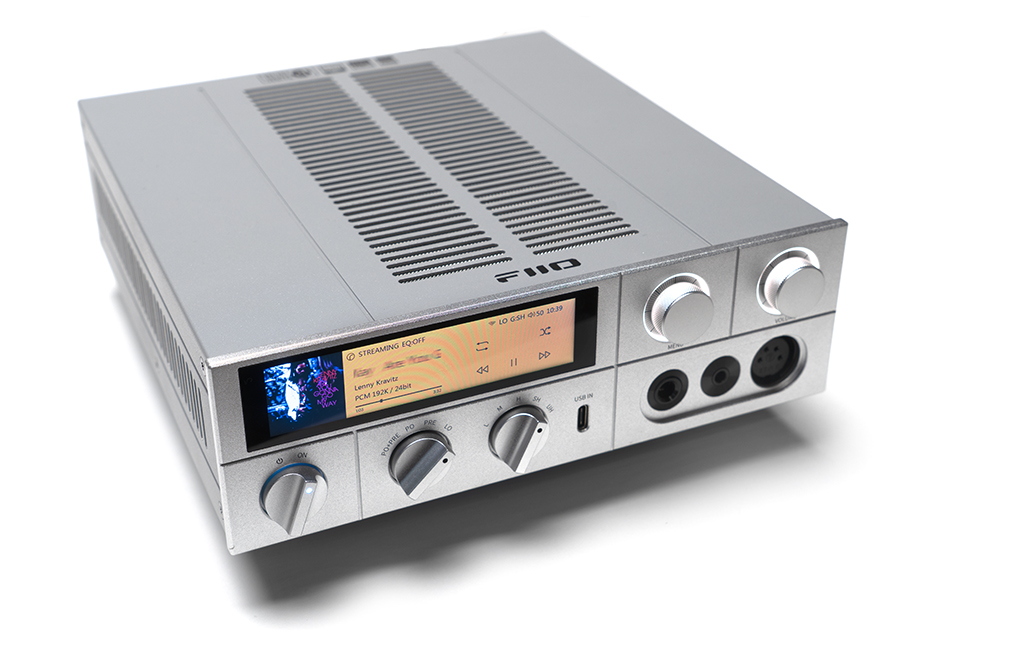

A quick look at the FiiO site shows everything they’ve packed into this small enclosure. The K17 is truly a masterpiece of miniaturization – there is no wasted space anywhere. Around front, there is a 3.93-inch high-resolution touch screen, making it easy to see what is going on and control everything from the front panel. It’s a smartly attractive piece with a slightly retro style, almost like early Mark Levinson gear, albeit a small one!

In addition to volume and menu controls, there are three headphone jacks and multiple selectors for power, function, and gain. Our review sample arrives in silver with black lettering but is slightly difficult to read because the type is so small. I’d buy mine in black, for the additional legibility, but that is truly the only complaint I have about the K17.

As a DAC/Streamer

You really need to head over to the FiiO site to see everything that the K17 is capable of. In the context of this review, it was primarily used as a DAC/streamer, as a ROON endpoint. The K17s analog stage has RCA and balanced XLR outputs. They say it is a fully balanced design, but since my ampsandsound preamplifier is RCA-only, most listening was done with the RCA outputs.

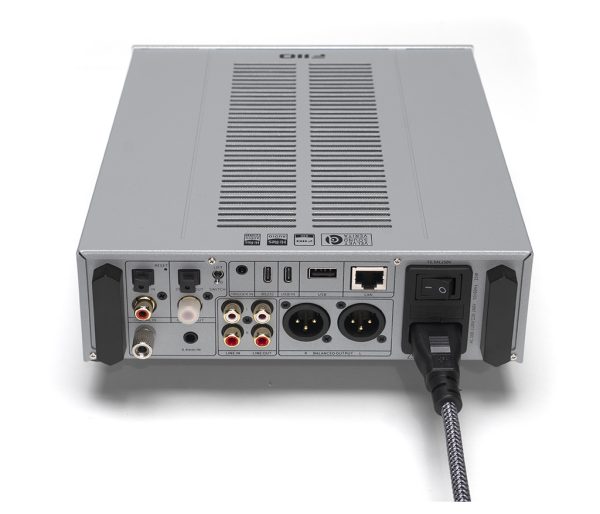
Thanks to multiple inputs around back, any source can be accommodated. There are digital inputs for coaxial SPDIF, optical, and USB sources.

Being able to stream anything from anywhere makes the K17 incredibly flexible. It even decodes MQA files if that is still a thing for anyone. Bluetooth playback with Spotify from my iPhone is exceptionally good, too.

As mentioned in the spec sheet, the K17 decodes everything. I was able to decode everything in my library with ease, and again. It works flawlessly, using it as a DAC with my vintage Proceed transport to play CDs via the coax SPDIF input. If you’ve got an older player that still functions fine, this is a great way to breathe new life and functionality into an old deck.
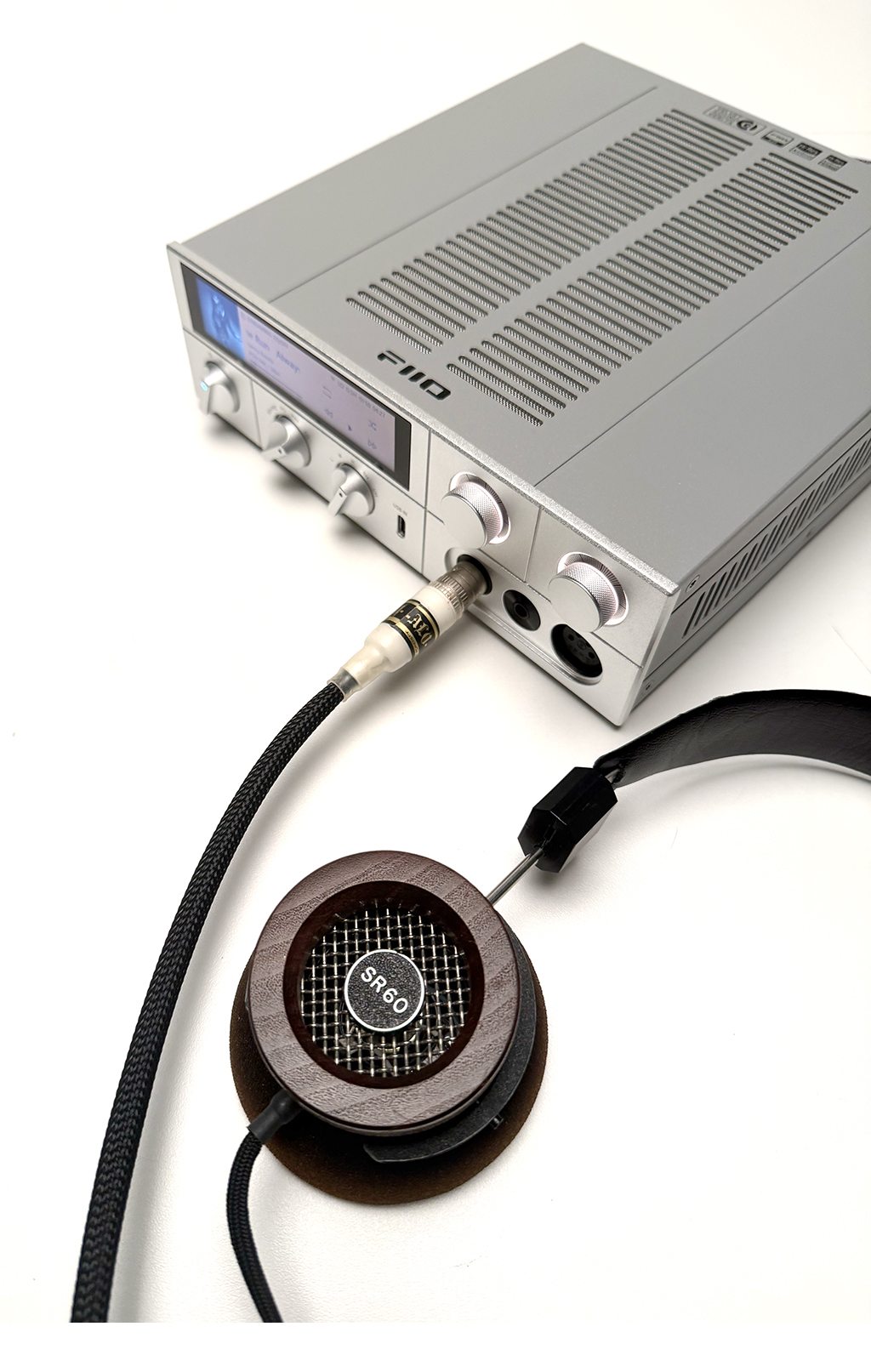
As a headphone/PRE

Not being a big headphone user these days, I still keep a couple of good phones around just in case, so putting the K17 to work strictly as a headphone amplifier proves this component is more than worth the asking price if that’s all you use it for.

FiiO claims 4 watts of power, with discrete output devices in the headphone amplifier section. Listening sessions with the Focal Clear MG, original Audeze 2s, and a pair of Grados all prove musical.

Back to that EQ for a minute. As you head-fi’ers know, there is so much variation in the way different phones mate with different amps, and having the ability to make minor adjustments over this wide of a frequency range is helpful. Best of all, this can be adjusted with your phone or tablet using their app. Everything else can be controlled here as well.

While my studio is a pretty good-sounding room without major issues, my living room is dreadful. Being able to surgically cut out a bit of boom here, and boost a bit of cloudiness in the upper mids goes a long way at making that room a lot more listenable. That may grate on your audiophile sensibilities, but it is great to have available. And we all know not all records are created equal.

Thanks to its fully balanced design, you can easily place the K17 where it’s convenient and run a long set of balanced interconnects to a power amplifier and speakers elsewhere in the room. I tried this in my living room, running a 6-meter pair of Ranger XLRs to a Pass Labs XA30.8 power amplifier. Back in the studio, the K17 is the anchor for System 3, but is only used as a DAC. You can choose fixed or variable outputs from the front panel. There’s even a handily placed USB-C port there, and around back, a ground lift switch. FiiO hasn’t missed a thing to make the K17 easy to integrate into your system.


However, using it as a line level preamplifier, direct to amplifier works well, making the K17 a fantastic building block to a modestly priced, yet high performance two-channel system. Thanks to the single analog input, it’s easy to add a turntable. Connecting the Hagerman Trumpet MC to a vintage Technics SL-1100 makes for an excellent combination, using the Vera-Fi A40 class–A power amplifier, driving vintage Acoustat 2+2 speakers. Because there is no loss of information at low volume, I am assuming that FiiO has implemented the volume control in the analog output stage.

The $100k question

So, is the K17 a dCS killer? Nope. But it’s core sonics are excellent, and the level of sonic refinement it does offer is way beyond what I suspect you’ll find at $995. Doing some side by side comparisons with players from Advance Paris, Naim, and Marantz with price tags nearly double – the K17 holds its own.

Beyond that, considering it’s unique set of features, it outperforms everything else I’ve encountered at over double the price. That’s great value. It may not be a dCS Vivaldi or an Esoteric Grandioso, but that’s not who this is intended for. I think putting the K17 in the context of a $3k – $10k+ system, you will be thrilled. I know I am.


I definitely want one

At $995, the FiiO K17 is one of the best values I’ve ever encountered in high-end audio in a long time. It’s more than worth the price asked, even if you were merely using it as a preamplifier, headphone amplifier, DAC, or streamer alone. That you get all four in one neatly executed box is incredible.

I’m happy to give this our first Exceptional Value Award of 2026. Regardless of where you are in your hifi journey, this is one to check out. I’m keeping the review sample. And we’ll have a little more up on YouTube in the weeks to come, too.


Peripherals

Digital source(transport)                     Madrigal Proceed PDT

Analog source                         Technics SL-1100/wSME 3009 and Denon DL-103r

Phono pre                                            Hagerman Trumpet MC

Amplifier                                            Pass XA30.8, VeraFi A40

Speakers                                              Klipsch AK7 Klipschorn, w/ SVS 5000 sub

Cable                                                   Ranger signal and power
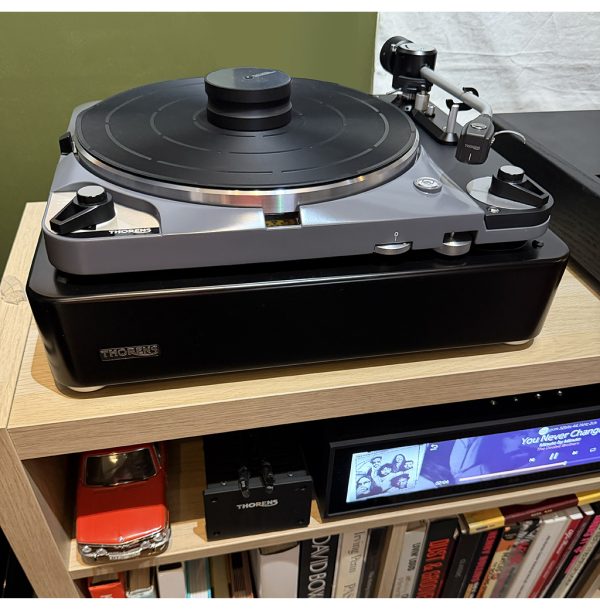
The Thorens TD-124DD Turntable

The letters DD usually mean something else to me, but in this case, they mean direct drive. Not something you’d usually expect from Thorens, long time makers of idler wheel tables, that have become famous the world over. So this reimagined version, has a mega reputation to live up to.

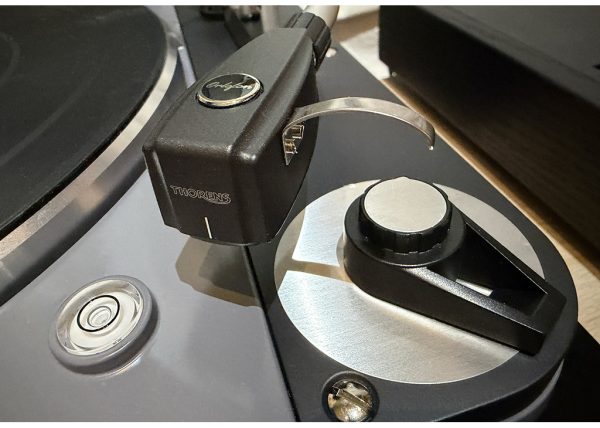
Without having a well preserved (or restored) original to do a direct comparison, I can only go on my memories. Packaged with a 9-inch Thorens arm, and thanks to the folks at MoFi Distribution, Ortofon’s latest SPU cartridge, designated the TD124, how can I go wrong?

The table sets up quickly, and unlike its ancestor, does not have a cast iron platter (though the supplied one has plenty of mass) to destroy your favorite moving coil cartridge. #askmehowiknow.

All the styling cues are here, and the only thing that seems a little off is when you lift the platter it looks more like an SL-1200 than a Thorens. But that’s progress. Playing through the MoFi Master Phono phono stage in current mode is lovely. The sound is big, lush and dynamic.

We’ve got a lot more to unpack here, and we will be doing a proper comparison to a vintage 124 as well, because if nothing else – I want to know. Stay tuned.

www.mofidistribution.com


A New Legend from Dynaudio…

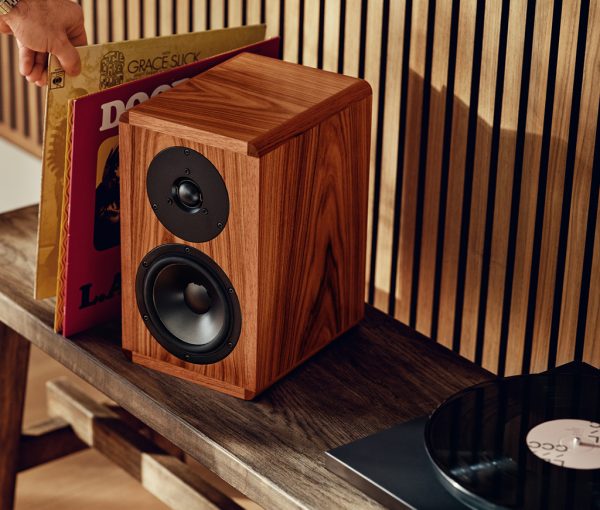
Announced the day of the opening of Axpona last week, Dynaudio’s new Legend speaker is “The Best ultra-compact speaker we’ve created so far,” according to Otto Jorgensen, the head of Dynaudio Academy.

Big words indeed, coming from the people who have given music lovers a long line of high performance, compact monitors. Many of these have been reviewed in our pages. It’s no secret that we’re big fans of the brand. The combination of understated aesthetic excellence, and the ability to pack so much performance in such a small cabinet is virtually unmatched in the industry.

And, at $7,000/pair, these mighty miniature monitors will bring great sound to small spaces everywhere.

Combining Dynaudio’s 28mm Esotar 3 tweeter, a new 14cm mid/bass driver, and crossover components all derived from their top speakers, these are a winner. Destined to live up to their name.

And the sound?

Awesome AF. That’s how they sound.

If this sounds like just what you’ve been looking for, head over to your Dynaudio dealer and listen. They were a major hit at the show. We can’t wait to get them in for review.

www.dynaudio.com

Looking back on Axpona 2026

This picture was taken about 90 seconds after Axpona opened on Friday. 20 minutes later, the place was packed – wall to wall people.

That’s exciting for a lot of reasons. For the first time since we got stuck with Covid, it felt great to see the place packed. It’s a good sign for the hifi industry and the hobby in general. There were still people in rooms on Sunday night at 6pm (and the show officially closed at 4) listening to music.

If you’re new to TONE, and you’re looking for a bunch of “Best sound at the show” awards, don’t waste your time. We don’t give them out. I always look at a hifi show as a hostile environment for producing sound, because there are so many variables. That everyone’s stuff gets there unharmed and set up in itself is amazing. And I mean this in the most respectful way. Think about it, 200+ rooms got set up and rocking in a day or so. That takes hard work and dedication.

What does “best sound at the show” really mean? It means the sound you preferred. Considering there were systems from a couple thousand dollars to a couple million, any attempt to do this isn’t fair to the manufacturers, or you – the reader. And, there was such a wide range of different systems, it was exciting to see it all in one place.

But I’ll tell you this – I heard more rooms that had well executed setups, big and small, than I’ve ever heard at any hifi show. Ever. We’ve got a few pics over on our Instagram page, with a few more to post in the next couple of days.

https://www.instagram.com/toneaudiomagazine/

Again, this is great for the people that took time off from their jobs and families to come on down and hang out. I truly hope that if you were someone new to the world of hifi you got to hear enough great sound, that you’re motivated to go further and seek out a good dealer.

It was great to be part of it, and to see as much as I could pack in. I’m already looking forward to next year. If you’d like to experience a massive cross section of hifi, I can’t think of a better place to go. – Jeff Dorgay

The Best Boink Music…

Ed. Note:  While I was searching for something else on the site that was mis-labeled, I came across this. Considering we could all use a few more smooches, I’m still good with this list 12 years later! Do with it what you will.

Today, Spotify announced their list of “Top 10 Shagging songs” here:

http://www.theladbible.com/now/music-spotify-reveals-the-top-10-shagging-anthems-and-one-lasts-127-seconds-20160804

I agree that most music is subjective, and we all have our favorites to initiate or accompany the mating ritual. Here’s mine – in no particular order. If this is all TMI, sorry about that! I hope you’re open enough to either be inspired or amused. Keep in mind, these are not staff choices. Like Captain Kirk, I stand alone on this one. Let the comments begin.

1.  Prince – One Night Alone

2.  Mickey Hart – Eliminators

3.   Pat Metheny – Are You Going With Me?

4.  Anja Garbarek – Big Mouth

5.  Dylan – I Want You or Just Like a Woman

6.  Crash Test Dummies – I Want to Par-Tay!

7.  Crowded House – Whispers and Moans

8. Dusty Springfield – Breakfast in Bed

9. The Tubes – Let’s Make Some Noise

10. Art of Noise – Moments in Love

Extra Credit:

Stephen Pompougnac – Hotel Costes (the entire series)

The Pretenders – Bad Boys Get Spanked

Judas Priest – Turbo

Kiss – Deuce

Squeeze – Tempted

Betty Davis – Game is my Middle Name

Sly & The Family Stone – You Can Make it if You Try

Fun, But Obvious:

Marvin Gaye – Let’s Get it On

Beatles – Why Don’t We Do It In The Road

And of course:
Yello – Oh Yeah!

Never:

Anything by REO Speedwagon, Journey or Styx

The Pass XS Preamplifier

Pub. Note: This was originally published about 11 years ago, but with our upcoming review of the replacement model, we thought it would make sense to make this easier to find, as we compare it to the new XS Pre 2.

Of the thousands of tracks auditioned during the Pass XS Preamplifier’s stay here, Lou Reed’s “Vanishing Act” sums it up perfectly. As he sings/speaks, “It must be nice to disappear…” the words to describe the XS Pre appear. It just disappears, calling no attention to itself, perhaps the toughest thing for an audio component to do.

Just like buying a car, test driving a premium audio component is usually a shorter first date than you’d like. In the end, it requires a certain leap of faith, and if you blow it, it’s going to cost you dearly. Much as I love Pass products, if you decide that the $38,000 XS Pre isn’t for you, there will be a stiff penalty, should you turn it over for something else. Like any other five figure hi-fi component, putting this two-chassis beauty back on the secondary market after a few months of use will be an expensive proposition unless you have an incredibly forgiving dealer, used to you doing this kind of thing on a regular.

The good news is that the above mentioned scenario probably won’t happen. I’d even go out on a limb to bet about 100 to 1 odds that it won’t. I’ve been using the XS Pre for over a year now, and I’ll do my best at describing it so that you won’t make a misstep.

First, and most importantly, where the Pass XS and XA series amplifiers have an ever so slight tip towards the warm side (which I happen to prefer) of what I’d call neutral tonality, the XS Pre is as close to having a straight up, 12 o’clock, right in the center neutral tonal rendition as I’ve ever experienced. The only other preamplifier I’d put in this category is the Boulder 3010, and to a slightly lesser extent my other reference, the Robert Koda K-10. Either of these preamplifiers cost as much as a gently owned BMW M3, and each is phenomenal performers.

Special and then some

Today there are a lot of incredibly competent preamplifiers, many costing less than the XS Pre and a few costing even more. Now and again, a component is so overwhelmingly good, that it’s an express elevator ride to audio heaven. My Conrad Johnson GAT2 is one of those preamplifiers too, but it’s got vacuum tubes, and only sports single ended RCA inputs and outputs so that it won’t be everyone’s idea of heaven.
 

The world’s finest preamplifiers that I enjoy impart little to no signature of their own to the music, yet they offer a bigger, broader, weightier presentation than a system is capable of without a preamplifier involved. This is a unique bit of magic that don’t completely understand because, in a perfect world, you would think that just going straight from your DAC or phonostage (provided it had a level control) would bring you closer to the music than running everything through another box and set of cables.

Good as the dCS Rossini DAC and Clock combination is on its own, running a pair of Cardas Clear interconnects directly from the dCS pair to the XS300 amplifiers sounds smaller, less focused and pale in comparison to putting the XS Pre in my reference system. How can this be? Especially considering Mr. Pass (the creator of the First Watt amplifiers – champions of the “less is more” approach to circuit design. Inserting the XS Pre in the signal path is not subtle. Again, this preamplifier does not change the tonal character or balance a molecule, yet everything enlarges. Dynamic range increases to the point where transients explode from the speakers where they merely had punch before, and the soundfield created by the system becomes much larger in all three dimensions. The sonic presentation goes from big and satisfying without the XS Pre to being engulfed in a tornado of sound. This effect was observed with every power amplifier connected, from a modest Conrad Johnson MV60SE up to the mighty XS300 monoblocks, so this can’t be a mere “impedance matching” kind of thing.

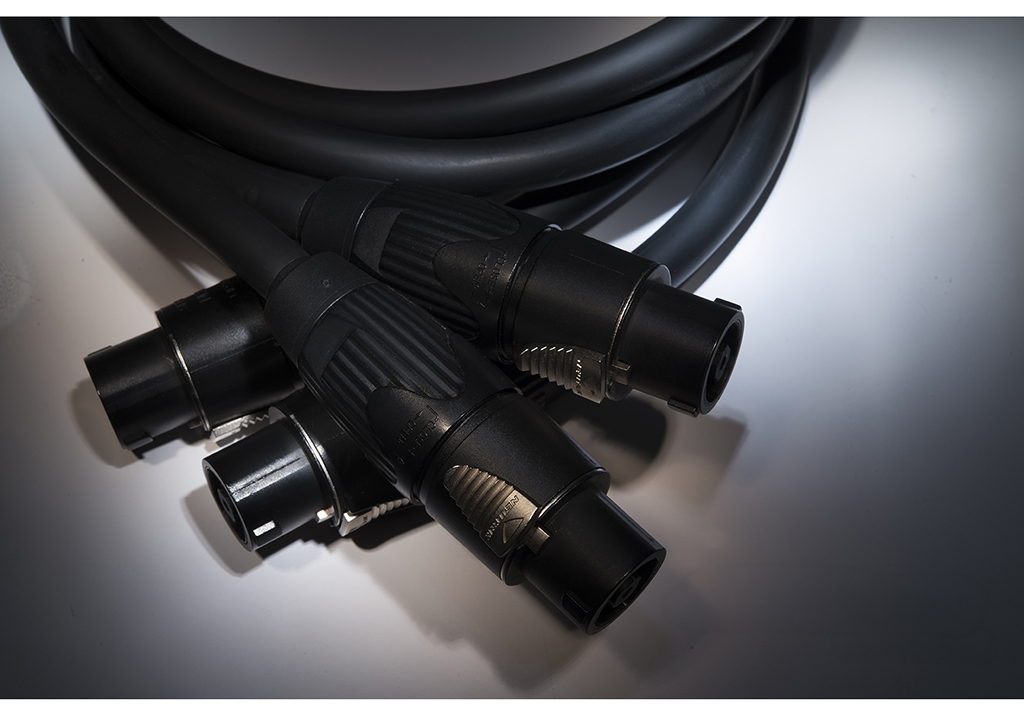
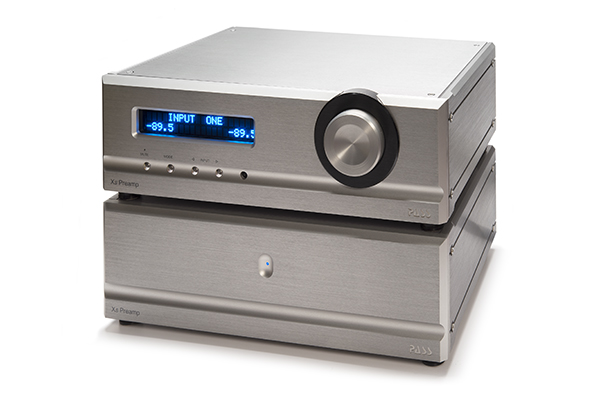
We’ve had the opportunity to use the XS Preamplifier together with the matching XS300 monoblock amplifiers to excellent result, paired with the XS Phono, making for an unbeatable combination of dynamics, tonality, and ease of use. There truly is nothing I can find fault with this trio. Ok, it’s all pretty heavy. That’s it. Fortunately, the XS Pre only weighs 80 pounds, and it is distributed between two chassis, the power supply, and the actual preamplifier circuitry. The two are connected by the same massive umbilical cords used in the XS Phono and the XS 150/300 power amplifiers. Terminated with Neutrik connectors, these are beefy cables indeed. 100,000µƒ of power supply capacitance per channel only hints at the power reserves available.

Nelson Pass and his crew have repeatedly said that they build components that they like, above all else. While many know the man with the name that adorns the faceplates as “the man” at Pass Labs, he is the power amp man. Wayne Colburn has designed all the Pass Labs preamplifiers and was given a clean slate (and pretty much a blank check) to design a companion preamplifier for the XS monoblock amplifiers. Rather than bore you with a long list of common audiophile clichés, he has succeeded on every level.

Incredibly versatile

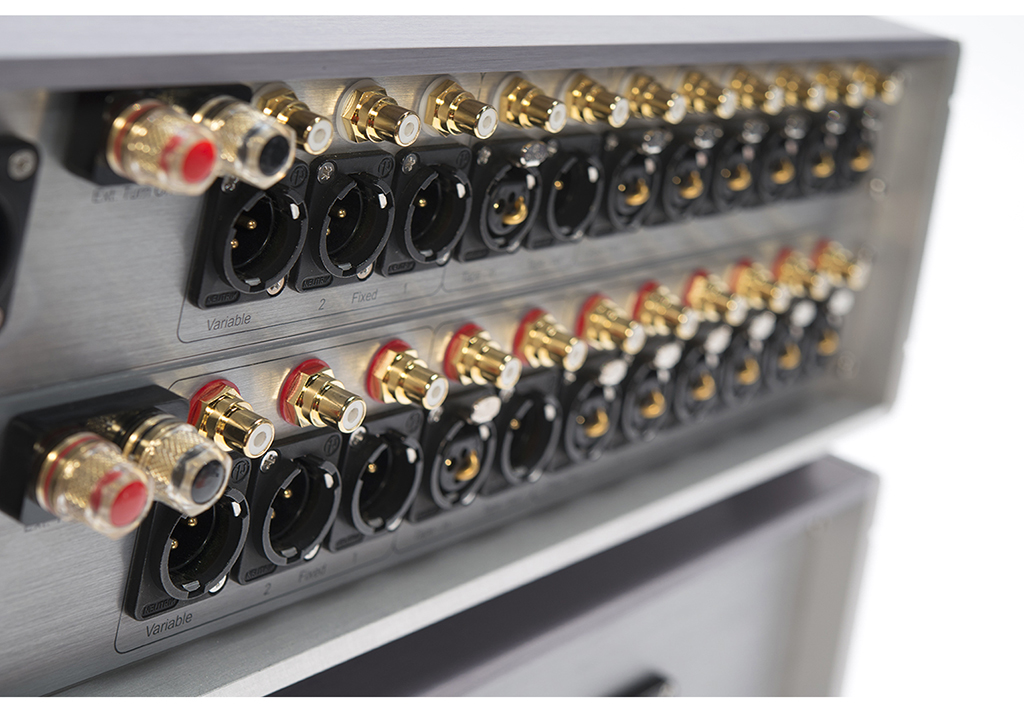
Lovely as the XS Pre is with a full compliment of Pass components, it is equally engaging with every other power amplifier we’ve had here at TONE in the last year or so – single ended or balanced. The XS Pre circuitry is fully balanced, but it features balanced XLR and single ended RCA inputs and outputs.

As a review tool, the XS Pre is without peer. It is effortless in its delivery and consistent in sound quality, providing a similar sonic picture with balanced or single ended connections. Even if you don’t review hifi gear, this kind of flexibility offers a much wider range of options as your system and tastes change. With the XS Pre offering such a neutral rendition, it is a perfect system anchor, letting you mix, match and experiment elsewhere.

Because the XS Pre doesn’t manipulate or alter the tonal character of the music it delivers, the usual list of tracks to describe bass, treble, and imaging are almost irrelevant. Laurie Anderson once said, “Paradise is exactly like where you are right now, only much, much better.” That’s the XS Pre. It’s much, much better. Add the concept of never having to retube, along with the headache that a new set of tubes can cause, makes it a component you can just leave powered up and forget about it. Matter of fact, there is no power switch.

Setup is straightforward, provided you have two extra rack spaces and can separate the two boxes a bit, to keep every possible bit of noise at bay. Once powered up, the XS Pre took about four days to come all the way out of the fog from being fresh out of the box. As with any component, there is a slight bit of stiffness at initial turn on, but it dissipates quickly.

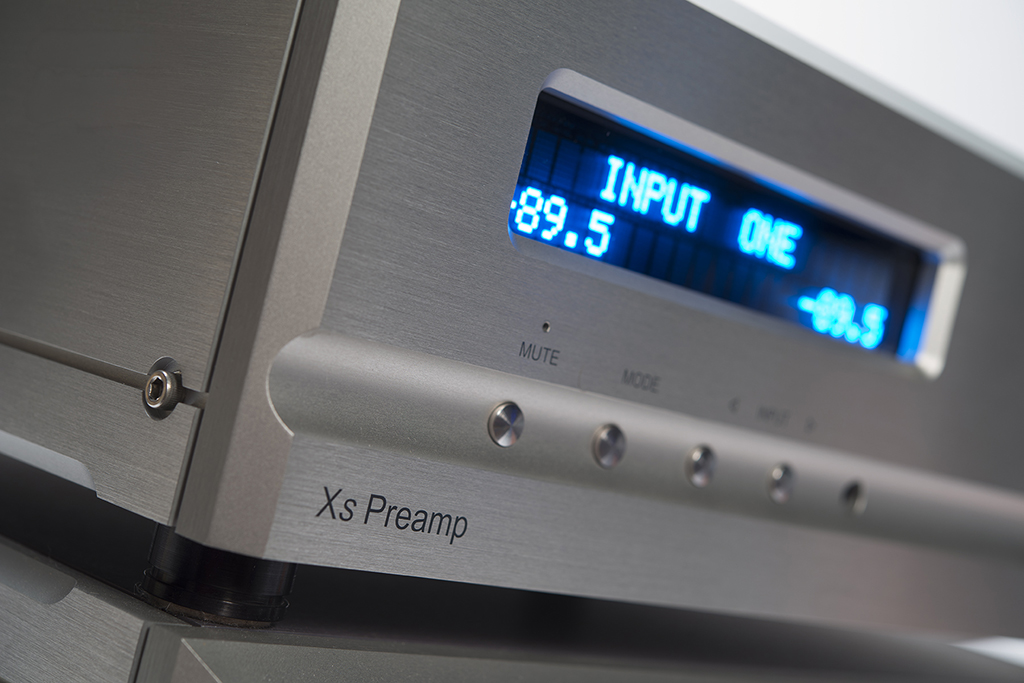
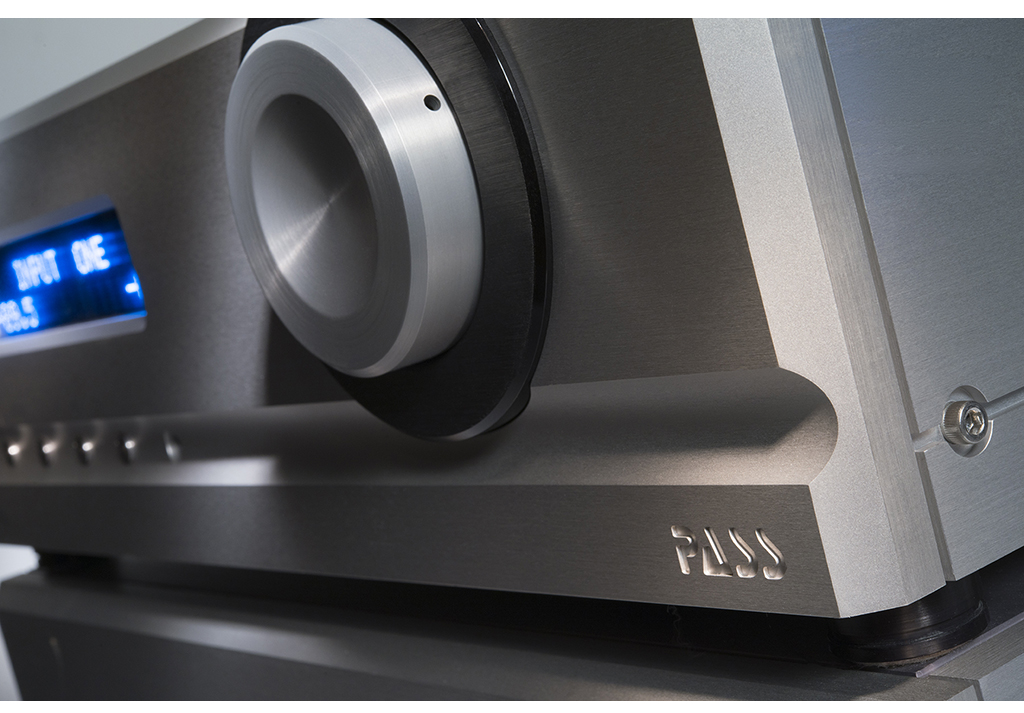
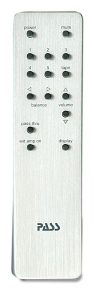
The front panel has a large volume control and a display friendly to read from across the room. Pass provides a simple, efficient aluminum remote that matches the casework of their other products, and this too is easy to use. The volume control has a wide range of operation, so even the most sensitive power amplifiers will have ample volume control range.

A keeper

Ultra high performance has a price, and there are a lot of great preamplifiers in the $10,000 – $20,000 range; even Pass makes one. (The XP-30) After living with a number of them, the XS Pre delivers an experience that you can’t get for $20k. That’s its justification. If you are looking for the last step up and a final justification, it’s worth every penny asked. This may be tough to swallow for some of you in the audience, but you can’t have a Ferrari 458 for $50k either. Like the Ferrari, the XS Pre will take your breath away if you have the room, system, and software to support it. And I’m guessing if you have 38 large, you do.

The Pass XS Pre does its job so effortlessly and so well if it doesn’t hit you on the head with the first track you play, just take it out of your system for about 90 sec. It’s like someone put the valet key in your Dodge Challenger Hellcat and the horsepower is gone. This is one of the purest hifi experiences I’ve had in over 15 years of reviewing components. Long term, I have even more enthusiasm for the XS Pre – every day it convinces me how special it is.


The Pass XS Pre Preamplifier

$38,000

www.passlabs.com

Peripherals

Analog Source            AVID Acutus Ref SP/SME V/Lyra Atlas, Grand Prix Audio Monaco 2.0/Tri-planar/Lyra Etna, Brinkmann Bardo/10.1arm/Koetsu Jade Platinum

Digital Source             dCS Rossini DAC and Clock, Gryphon Kalliope

Phonostage                  Pass XS Phono

Power Amplifier         Pass XS 300 monos, Pass XA200.8

Speakers                      GamuT RS5i, Focal Sopra no.3 w/2-REL 212, MartinLogan Neolith

Cable                           Tellurium Q Silver Diamond, Cardas Clear

The Pylon Jade 30 Speakers are more fun than….

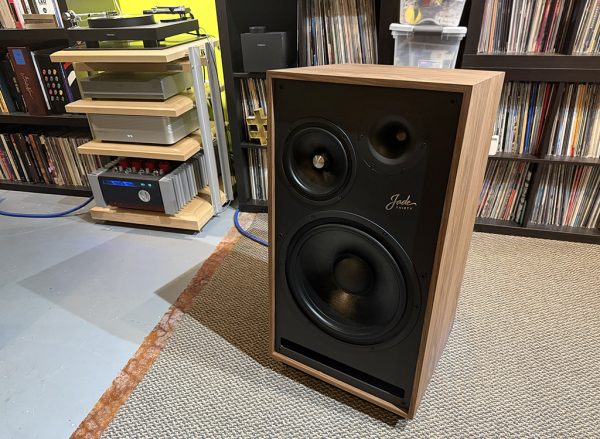
The Pylon Jade 30s have raised the bar for what I thought a fun/chill out, non-audiophile speaker could be. In the past it was always the JBL L100 (the current, reimagined version, though clean NOS ones don’t suck either). The Jade 30s eclipse everything in the category.

But this 15-inch, 3 way really does it for me. Staffer Chris Harr was over for a late night listening session the other day, and while we both agreed how awesome the big system is, these speakers are cooler than cool to just hang out and spin anything you can think of.

Making use of Pylon’s own drivers, the Jade 30s are super easy to set up thanks to their built in stands, and 93dB/1-watt sensitivity. Our initial listening has been with the Pathos Inpol Heritage integrated (80wpc-hybrid design) and the Western Electric 91E. (12wpc, SET) The Quad 33 amplifier is next up.

Bass is plentiful, the highs are smooth yet extendend and the tonal balance is the perfect blend of correct and relaxed without being slow or syrupy. The finish is BEAUTIFUL, and you can have your pair up and rocking in 10 min if you have a friend to help unbox.

At $9,995/pair, this might just be the only speaker a lot of people will ever need to step up to. Curious? Call the folks at Suncoast Audio (Click here for their site) or stop by and see them at this year’s Axpona in Chicago. Tell em I sent you. If you don’t love these, your heart’s not beating.

These are one of our Products of the Year, fyi.

Please click here for the Pylon home page.

Welcome to Distilled!

Hello and welcome to Distilled.

We are not abandoning our standard reviews, but for those of you that would like a little more than the canned press releases everyone else is posting, but not sure if you want to make the time investment in a full review, we present the distilled column.

A quick overview of components that will be 200-300 words. No space for blather, pontification, or a lot of “I, Me, Mine” stuff.

We’ll do our best to present a couple of good pics, a link to the full review (if it’s done and you’re so intrigued) and a link to the manufacturer. On occasion, we will even post a purchase link if it makes sense. Please NOTE: we are doing this for your convenience, and these are not sponsored or affiliate links.

Thank you for reading!